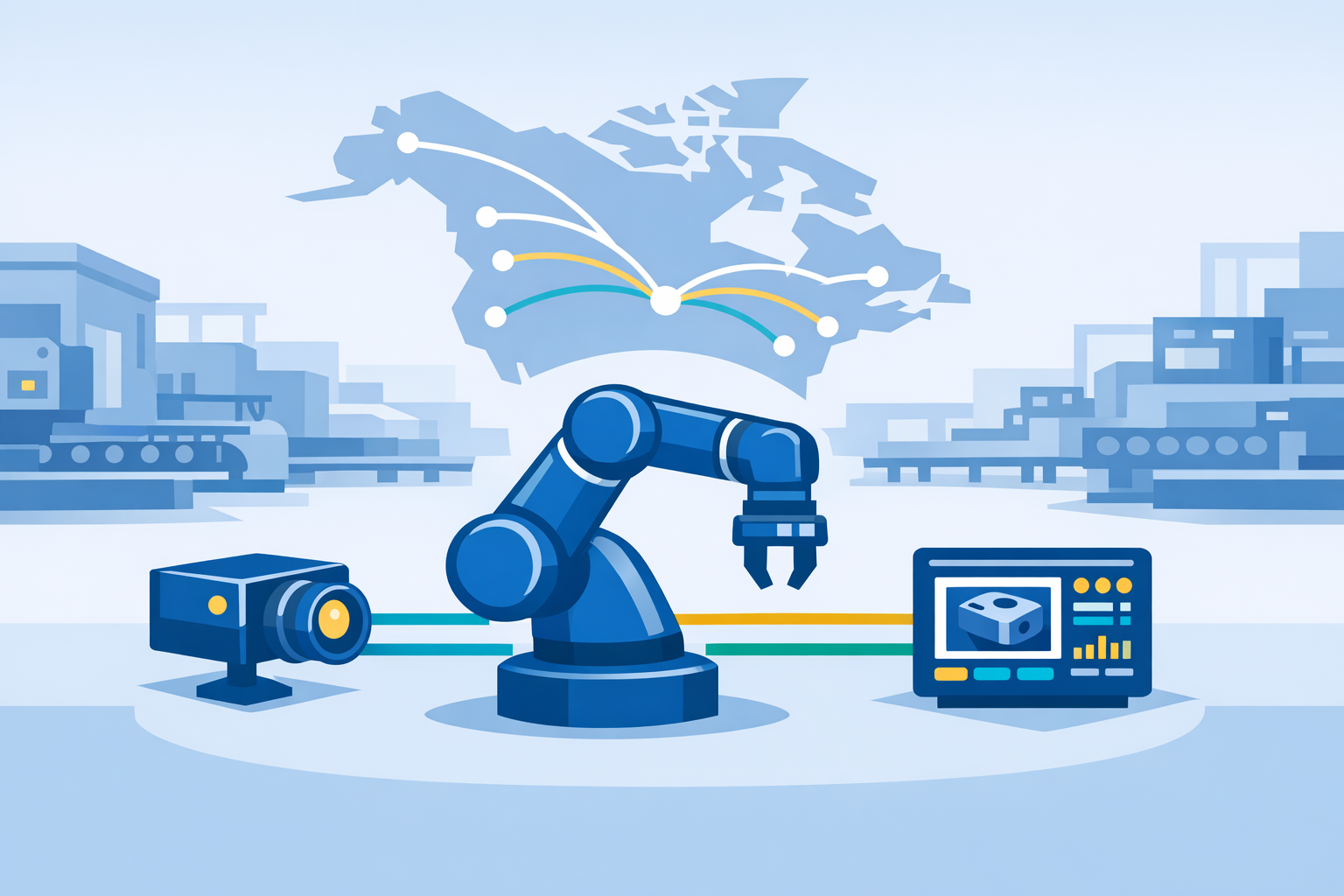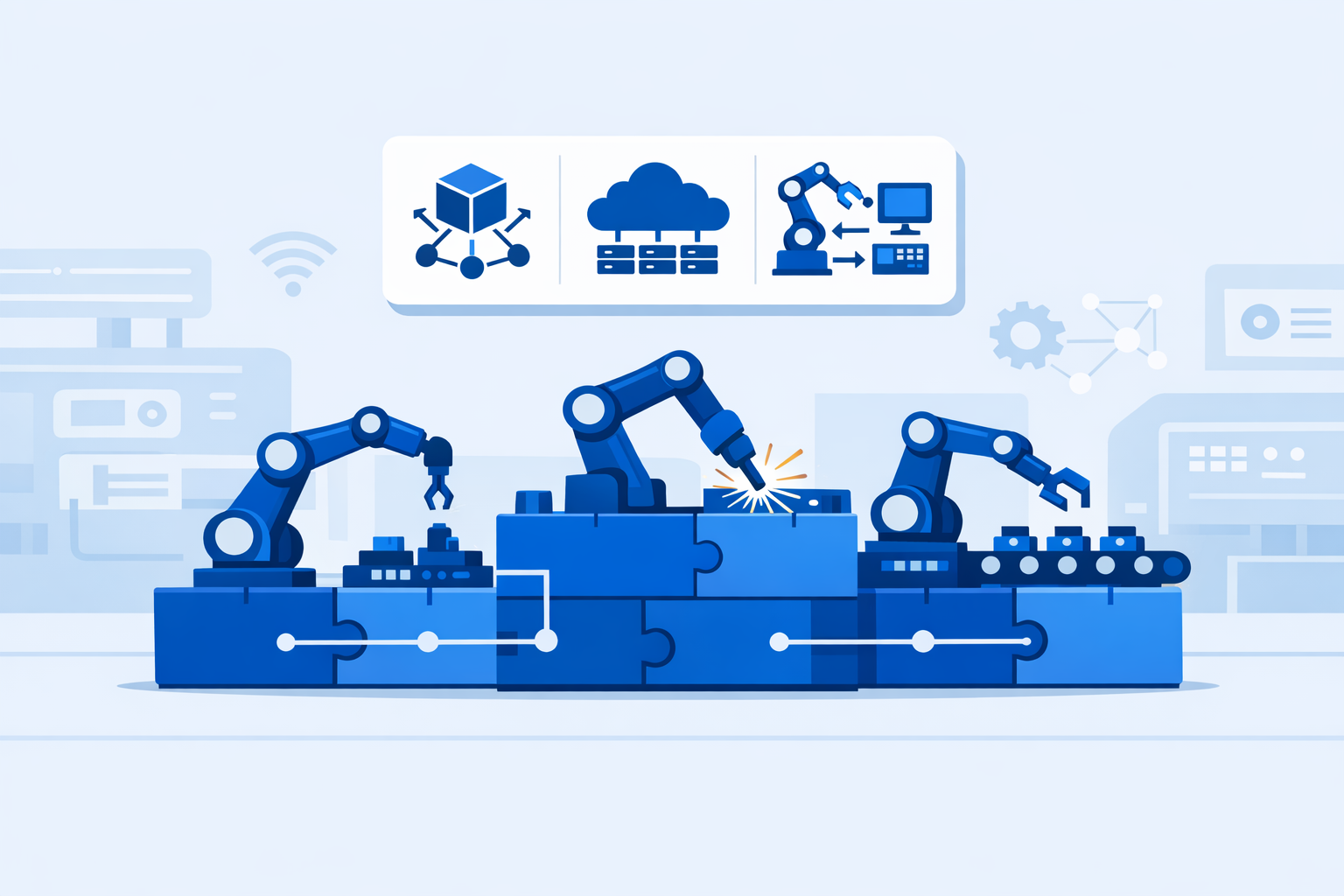
ABB advanced its push for plug-and-play interoperability in industrial automation at MACH 2026. The event, held in Birmingham in early April, featured ABB's emphasis on open interfaces and modular automation architectures designed to streamline integration across robotics, programmable logic controllers (PLCs), and manufacturing execution systems (MES). This initiative aims to expedite deployment and reduce total cost of ownership for manufacturers.
Background
Manufacturers in metalworking and fabrication increasingly face challenges integrating robotics, control systems, and digital services from a variety of vendors. Closed systems and proprietary interfaces often result in extended commissioning periods and higher integration costs. Standards for interoperability-such as OPC UA PubSub-and open modular architectures have become essential for enabling seamless system integration and supporting plug-and-play operations in Industry 4.0 environments.
Details
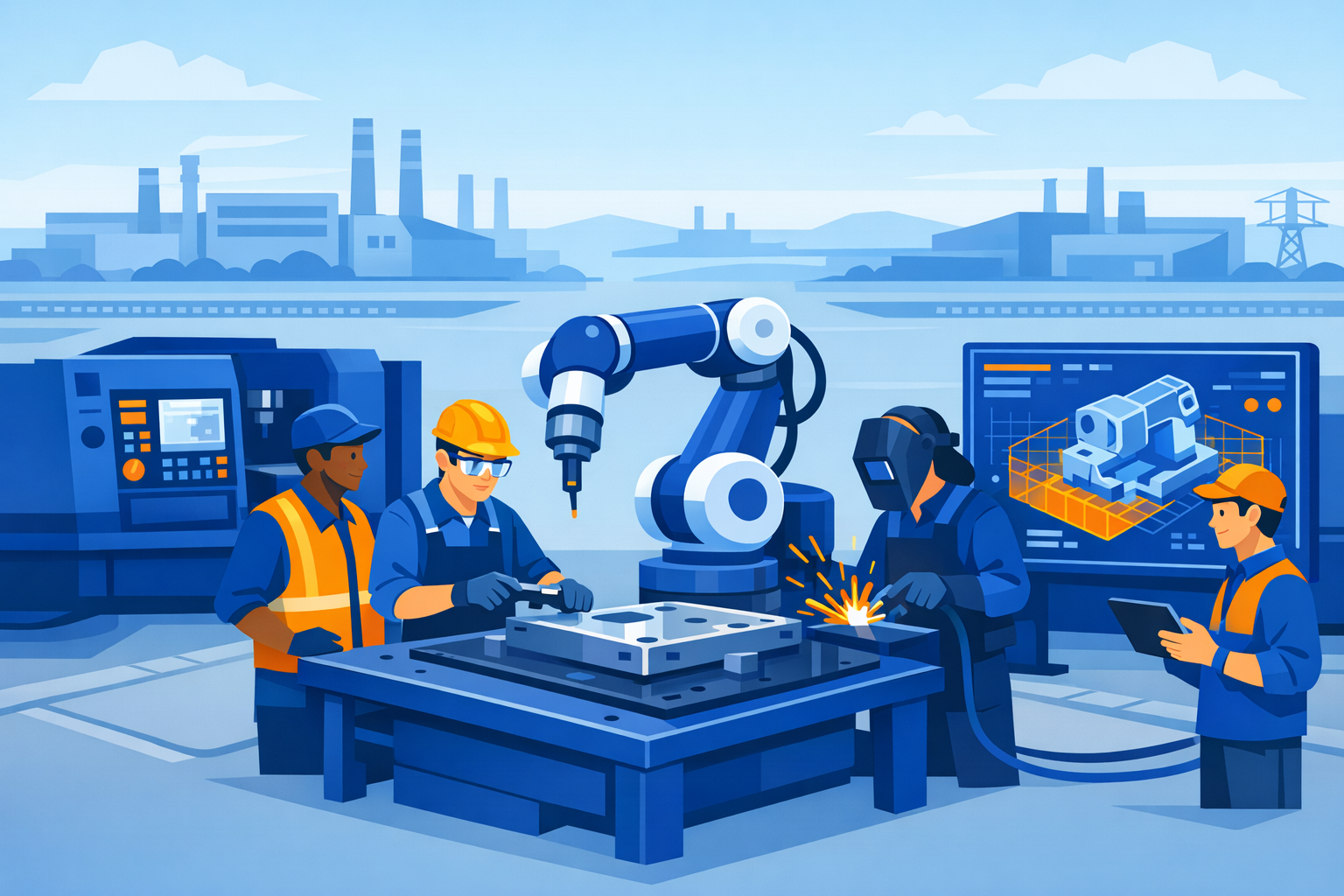
At Booth 18 at MACH 2026, ABB showcased modular automation cells, including collaborative arc-welding and machine-tending units with OmniVance collaborative robots (cobots) and the FlexLoader™ FP800, equipped with 3D vision for semi-structured bin picking. The exhibits demonstrated standardized hardware and user-friendly interfaces to facilitate deployment and programming. ABB also presented its RobotStudio digital engineering suite and modernization services, which support both legacy and new installations. These offerings reflect an ecosystem-oriented strategy to foster multi-vendor collaboration within factory settings[1].
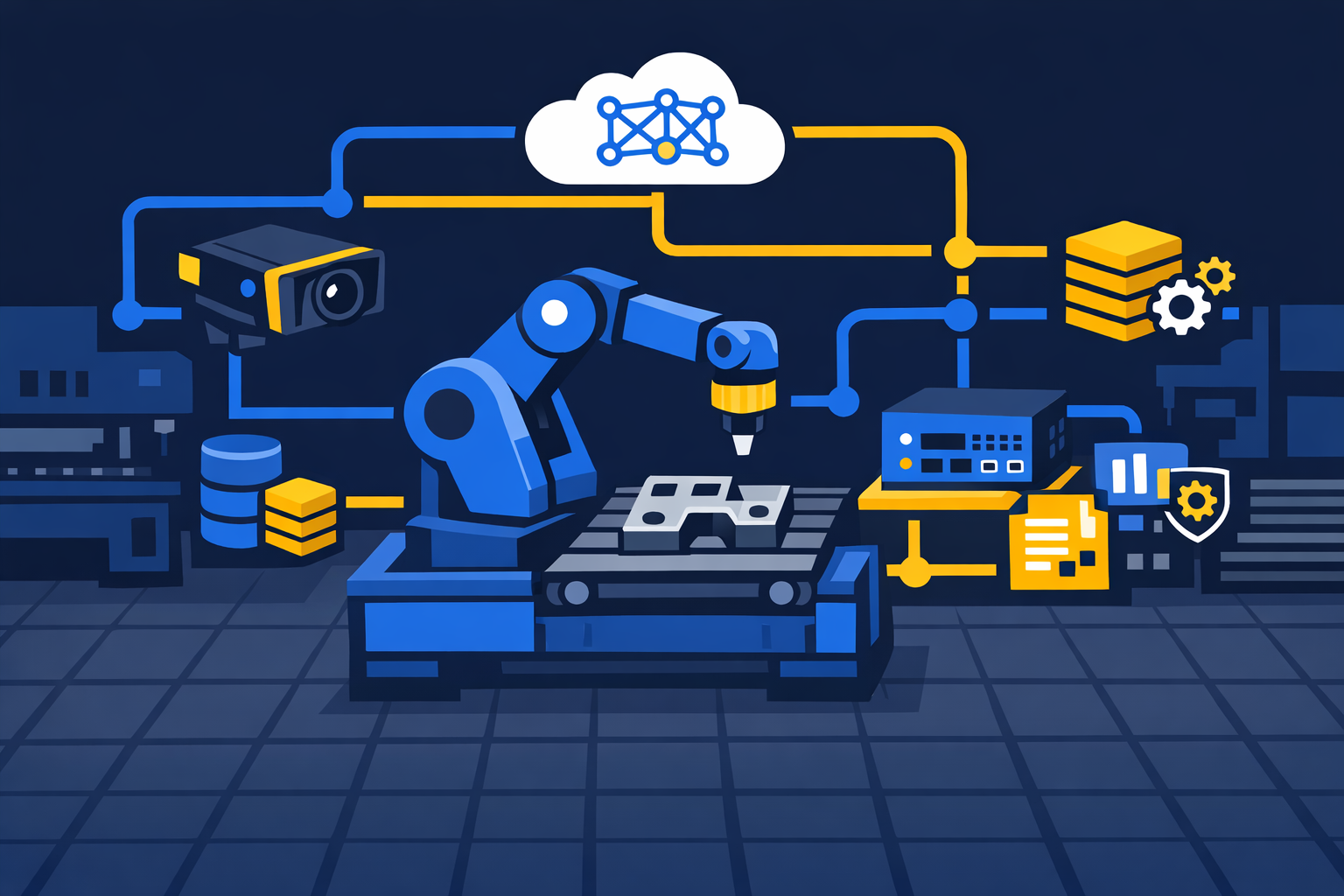
Although ABB did not introduce a formal interoperability standard at the show, its efforts align with industry trends toward open integration. The Automation Extended initiative, launched in February 2026, serves as a foundational step by supporting gradual modernization of distributed control system (DCS) architecture using modular, open, and cloud-native components, as well as technologies such as OPC UA. This approach cultivates a vendor-neutral, interoperable environment suitable for multi-supplier ecosystems[2].
Outlook
Manufacturers attending MACH 2026 can anticipate accelerated commissioning and simplified integration through modular, open-architecture cells and digital tools that reduce programming complexity and minimize dependence on individual vendors. As ABB continues to develop the Automation Extended platform, potential standards or alliances may arise to formalize interoperability frameworks. Such initiatives could greatly improve project timelines and reduce total cost of ownership for automation projects involving multiple vendors.