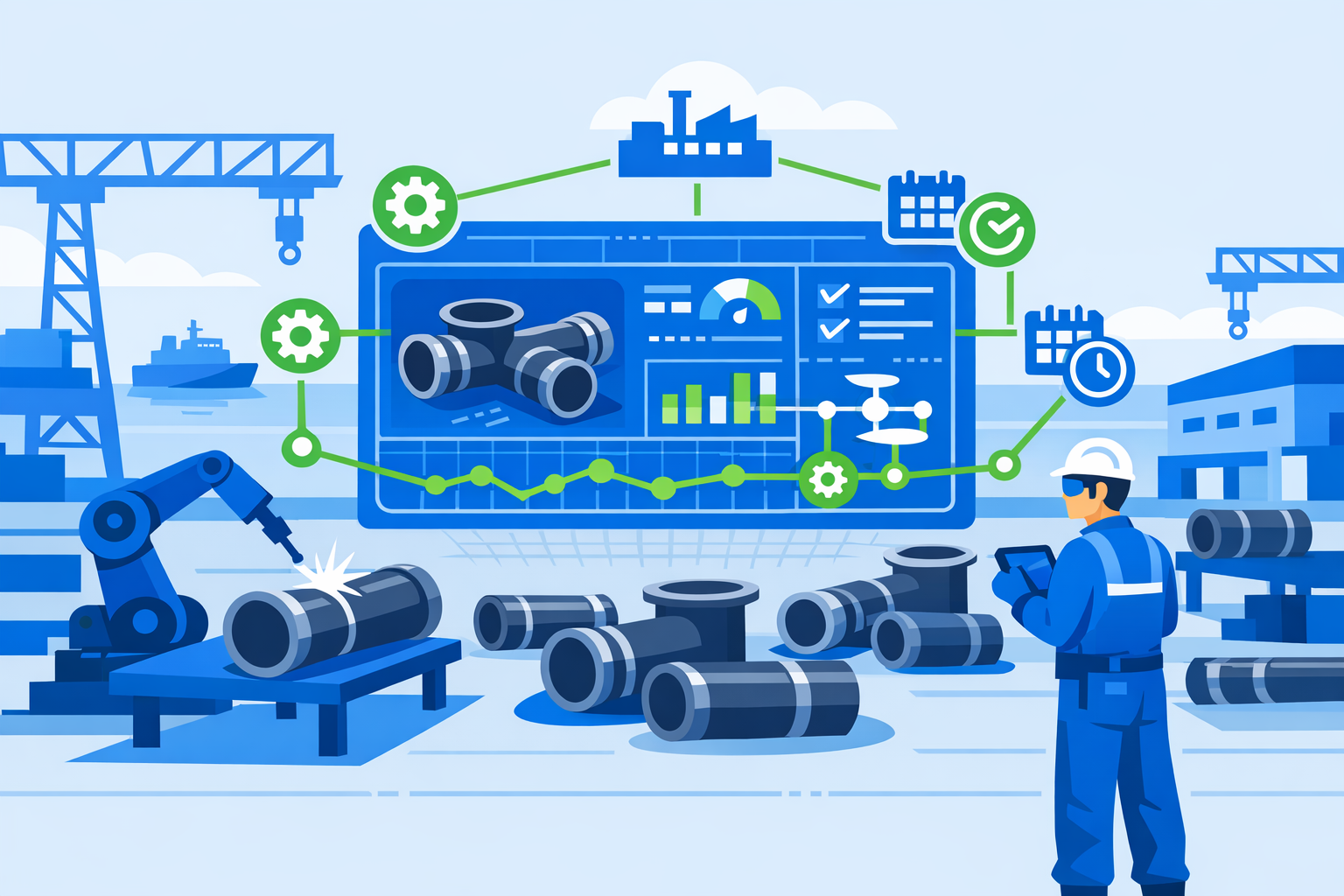
Shipyards and maritime integrators are deploying end-to-end digital twins to simulate, monitor, and optimize pipe spool fabrication workflows. These systems enhance layout planning, track progress, and reduce rework. Digital models now integrate spool routing, welding sequences, and material flow, connecting directly to ERP/MES platforms and welding robotics for real-time scheduling and predictive maintenance. Recent pilots have shown measurable improvements in throughput and workforce utilization, while also addressing supply-chain volatility and maintenance planning.
Background
Digital twins are gaining ground in maritime manufacturing as shipyards implement Industry 4.0 practices. Virtual replicas connected to sensor networks have evolved from vessel design and operations into fabrication processes-improving coordination, quality control, and simulation. While earlier efforts emphasized real-time shipboard monitoring and lifecycle structural twins for maintenance and compliance, the integration of digital twins in spool fabrication marks a new phase in maritime digitalization. A 2025 case study in shipbuilding found that modeling assembly workflows and material variances enhances deadline control, resource allocation, and execution quality.Shipbuilders that integrate these combinations achieve greater control over deadlines, resources and quality of execution.
Details
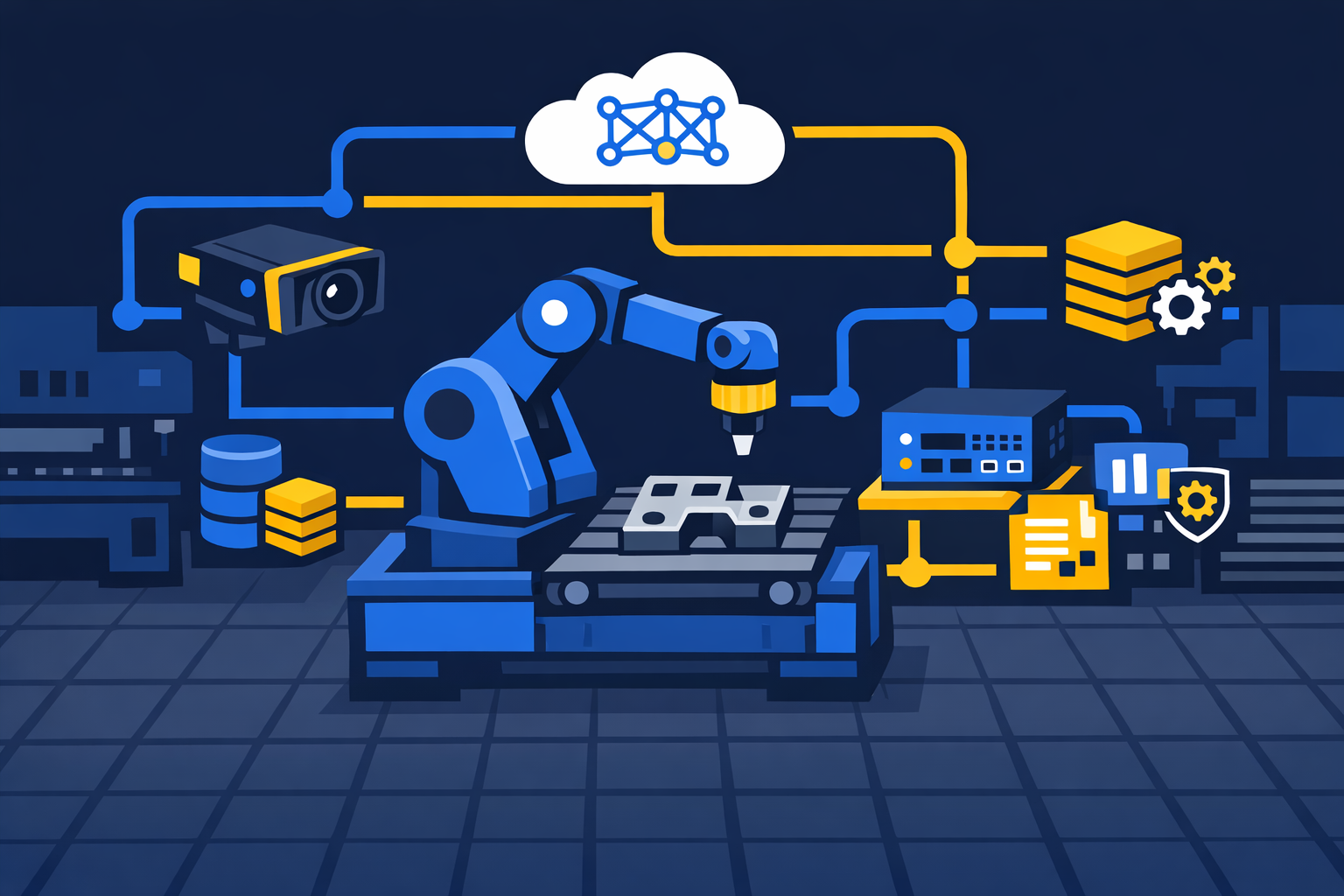
PipeCloud's SaaS platform exemplifies this trend in pipe prefabrication. In a pilot at Helsinki Shipyard, the platform linked pipe spool fabrication data to the existing ERP system, tracked spool progress in real time, and supported production visibility, capacity planning, and subcontractor oversight through shop-floor integration. The shipyard reported improved coordination and efficiency during increased icebreaker and specialized vessel production.PipeCloud's platform integrates ERP, advanced spool tracking, production visibility and subcontractor management to streamline spool prefabrication. Academic research has also shown the feasibility of digital twinning fabrication lines in shipyards, incorporating machine reliability, buffer capacity, cycle times, maintenance logs, energy use, and scheduling data into virtual models for predictive analytics. This integration supports both immediate process adjustments and strategic decision-making.A digital twin of steel processing lines capturing machine reliability, buffer occupancy, cycle times and maintenance data supports predictive adjustments and strategic decision-making.
Outlook
As digital twins become more common across the maritime sector, shipyards must address data governance, model fidelity, and interoperability with existing MES and ERP systems. Regulatory frameworks, including the EU Data Act, are increasing requirements for data access, cybersecurity, and system interoperability. Shipyards and integrators must align technical deployments with evolving legal and collaboration standards.The EU Data Act shifts access rights over operational ship data, raising demands for cybersecurity and interoperability in digital twin deployments.