Glass fabrication plants are advancing the deployment of AI-based process control systems to improve quality, reduce energy consumption, and streamline predictive maintenance. Recently, major industry players and the Glass Manufacturing Industry Council (GMIC) reported a shift from standalone AI pilot programs to interconnected process chains spanning furnaces, cutting lines, and inspection systems.
Background
Glass manufacturing remains an energy-intensive sector challenged by decarbonization goals, yield improvement, and waste reduction. Industry organizations, including the GMIC, have identified AI as a vital tool for intelligent furnace management, real-time defect detection, and scrap reduction GMIC projects broad AI adoption in 2026 for energy and quality improvements. Initial applications focused on isolated or modular approaches, but the sector now emphasizes interoperability throughout production in line with Industry 4.0 principles.
Details
An industry review indicates that approximately 65% of glass manufacturers are pursuing AI-driven automation to enhance efficiency. Reported results include up to a 25% decrease in production errors, 20% energy savings from improved furnace temperature control, and predictive maintenance that reduces downtime by as much as 30% As many as 65% of glass manufacturers are exploring AI automation. Notably, O-I Glass's UK energy management system, combined with battery storage, is projected to save about 240 tons of CO₂ annually by optimizing furnace operations in real time O-I Glass's AI energy system projected to save 240 tons of CO₂ annually.
Equipment vendors such as Tiama have introduced AI-powered sidewall inspection machines trained on extensive image datasets. These systems provide accurate defect detection and reduce false rejects compared to traditional inspection methods Tiama's AI sidewall inspection reduces false rejections based on extensive image training. Schneider Electric's EcoStruxure Automation Expert enables brownfield annealing lines to retrofit with modular, software-based controls. This approach has shortened downtime, supported predictive maintenance, and standardized logic deployment across sites, reducing commissioning time by up to 50% EcoStruxure deployment cut commissioning time by up to 50%.
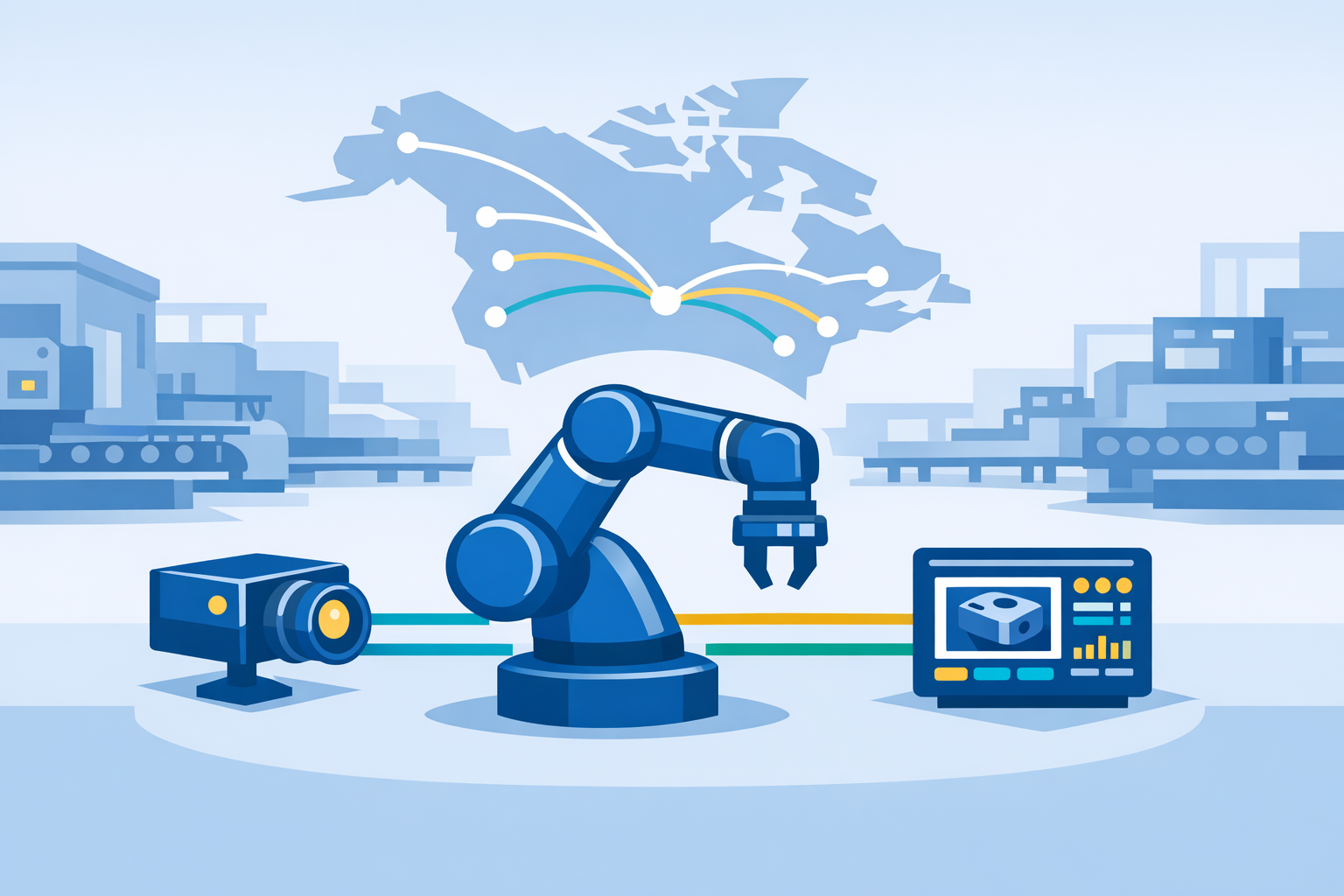
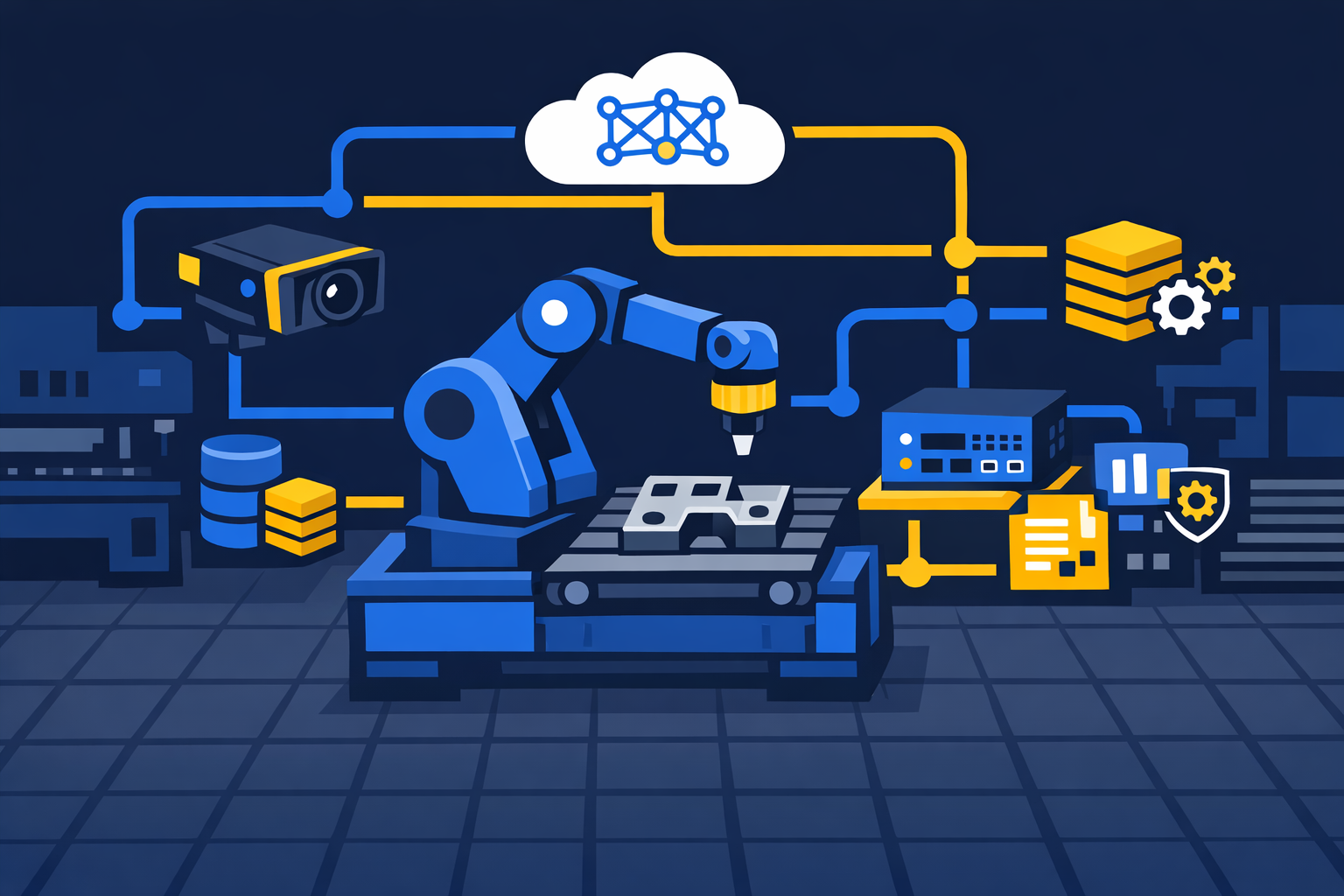
Interoperability is now a focal point. GMIC forecasts that by 2026, AI systems will move beyond single applications to link entire process chains-from order intake to production and quality assurance. This transition will require robust data flow, standard interfaces, and strong cybersecurity to support real-time decision-making GMIC expects integrated AI systems across process chains in 2026.
Outlook
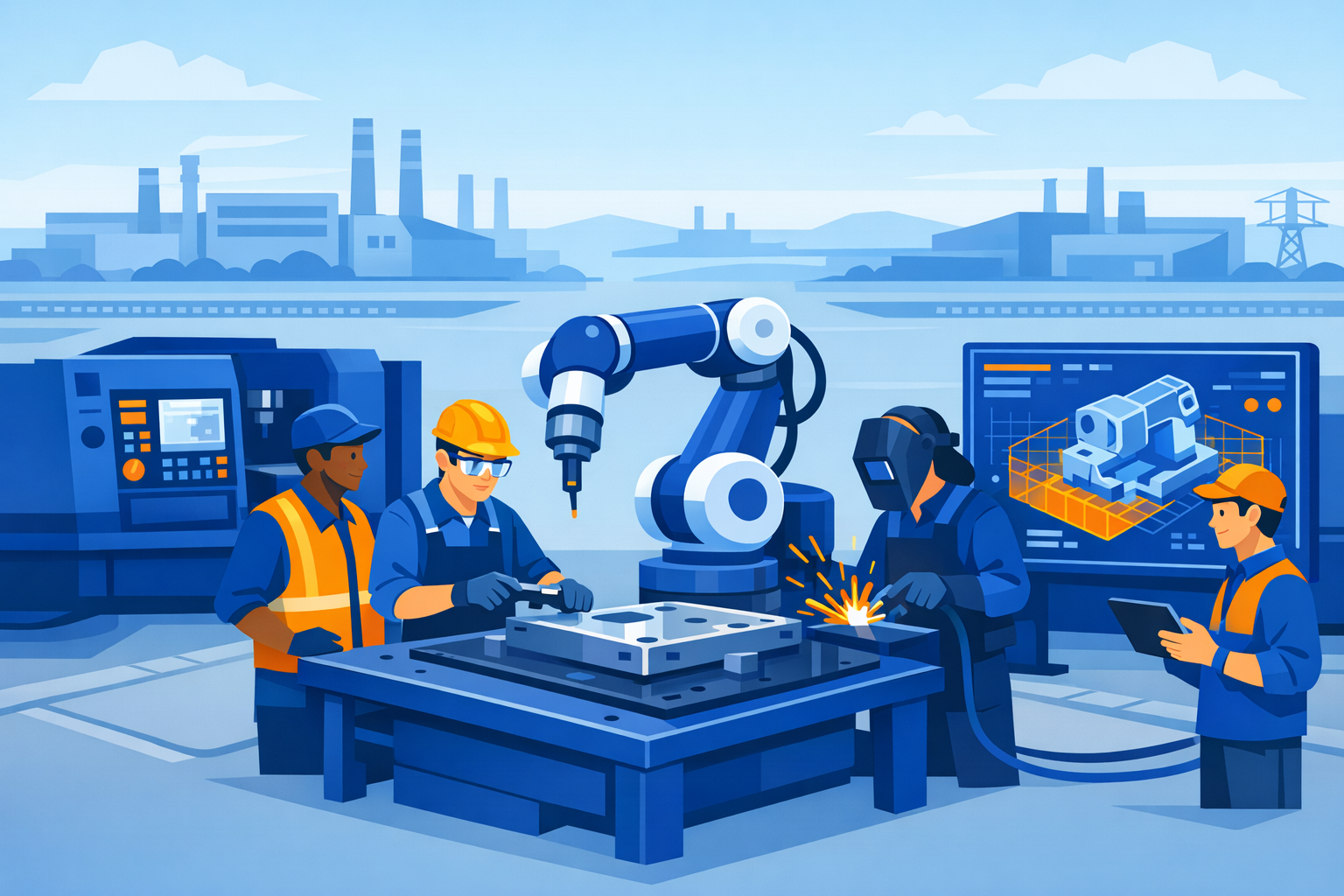
As glass fabrication expands AI from isolated pilots to integrated process control, success will depend on interoperability standards and strong data governance. Manufacturers and equipment vendors must coordinate on interfaces, cybersecurity, and workforce reskilling to ensure effective management of AI-enhanced operations and to maintain consistent quality, energy efficiency, and automation throughout the production lifecycle.