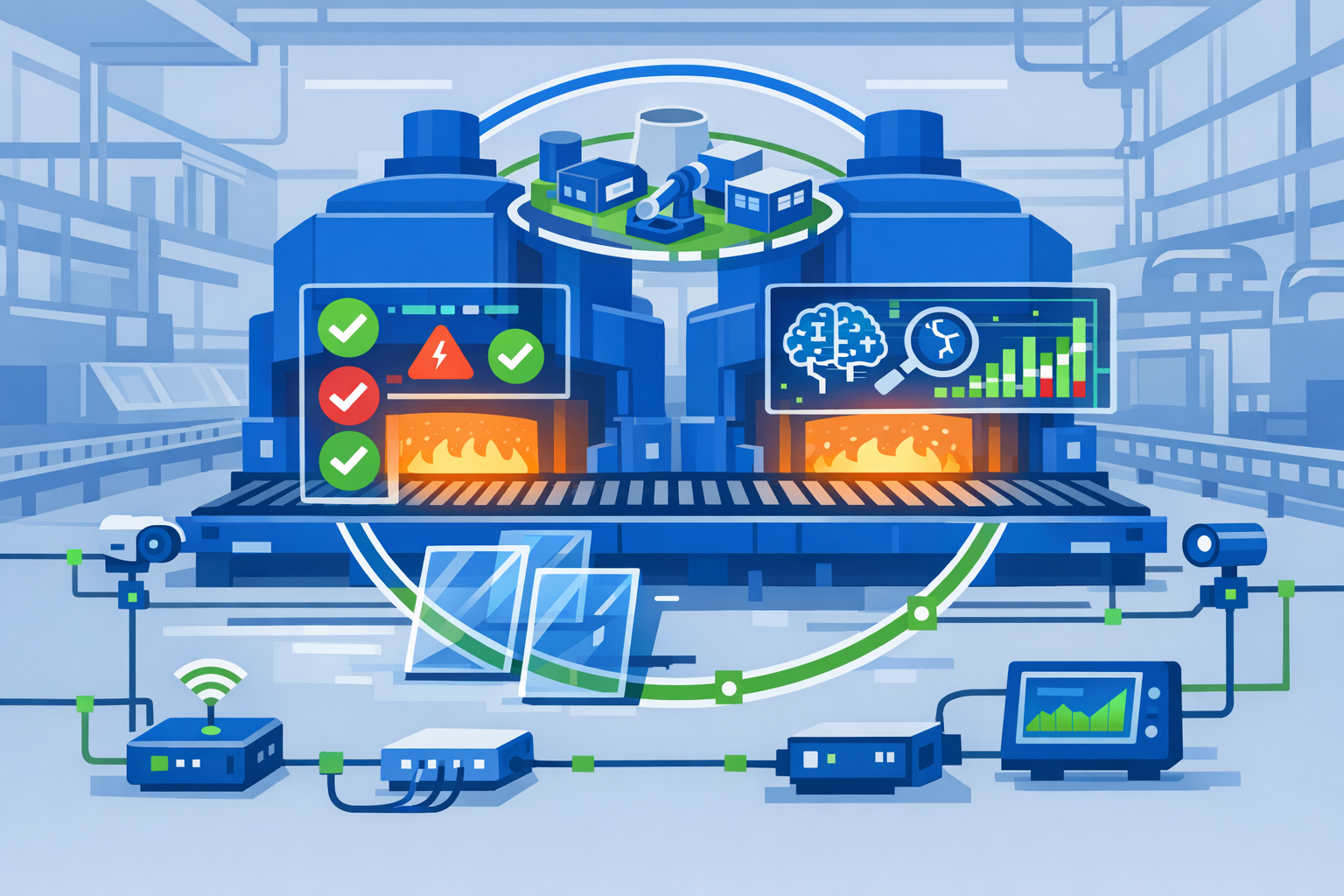
U.S. glass manufacturing plants are piloting AI-powered vision systems and digital twins to improve quality control and reduce energy consumption. These programs, active at several sites, integrate high-resolution optical and thermal imaging with machine learning models and edge analytics to identify defects-such as micro-cracks and surface irregularities-in real time. Early results indicate lower scrap rates and enhanced process reliability, particularly during annealing and tempering.
Background
The adoption of AI-driven inspection tools addresses demands on glass fabricators to improve product uniformity and achieve sustainability goals. Digital twins-virtual models of furnaces and wave-cutting systems-enable teams to simulate process adjustments and predict energy usage and emissions, reducing the risk of unplanned downtime. Enhanced connectivity between defect data and MES/ERP systems aligns production schedules with maintenance and energy tracking, supporting operational alignment.
Details
A case study employing AI-based digital twins for glass furnaces reported energy savings of 1-3% and throughput gains of 3-5%. This resulted in revenue increases of US $1-3 million per 60-ton-per-day plant, as noted in SymphonyAI Industrial documentation. These improvements stemmed from optimized predictions of furnace temperature, pressure, oxygen levels, and refined control setpoints. Siemens also underscores the role of digital twins in glass finishing, noting improved transparency and operational efficiency, and enabling real-time production system optimization. Integration of AI-driven anomaly detection with rule-based imaging has automated defect inspection in windshield production, reducing manual inspection hours by 30,000 annually, according to AGC's ESG briefing.
In addition, Emhart-developed AI vision systems have lowered false reject rates and, by reducing scrap, could cut annual CO₂ emissions by approximately 2,000 tons per plant. An average glass plant emits about 70,000 tons of CO₂ per year.
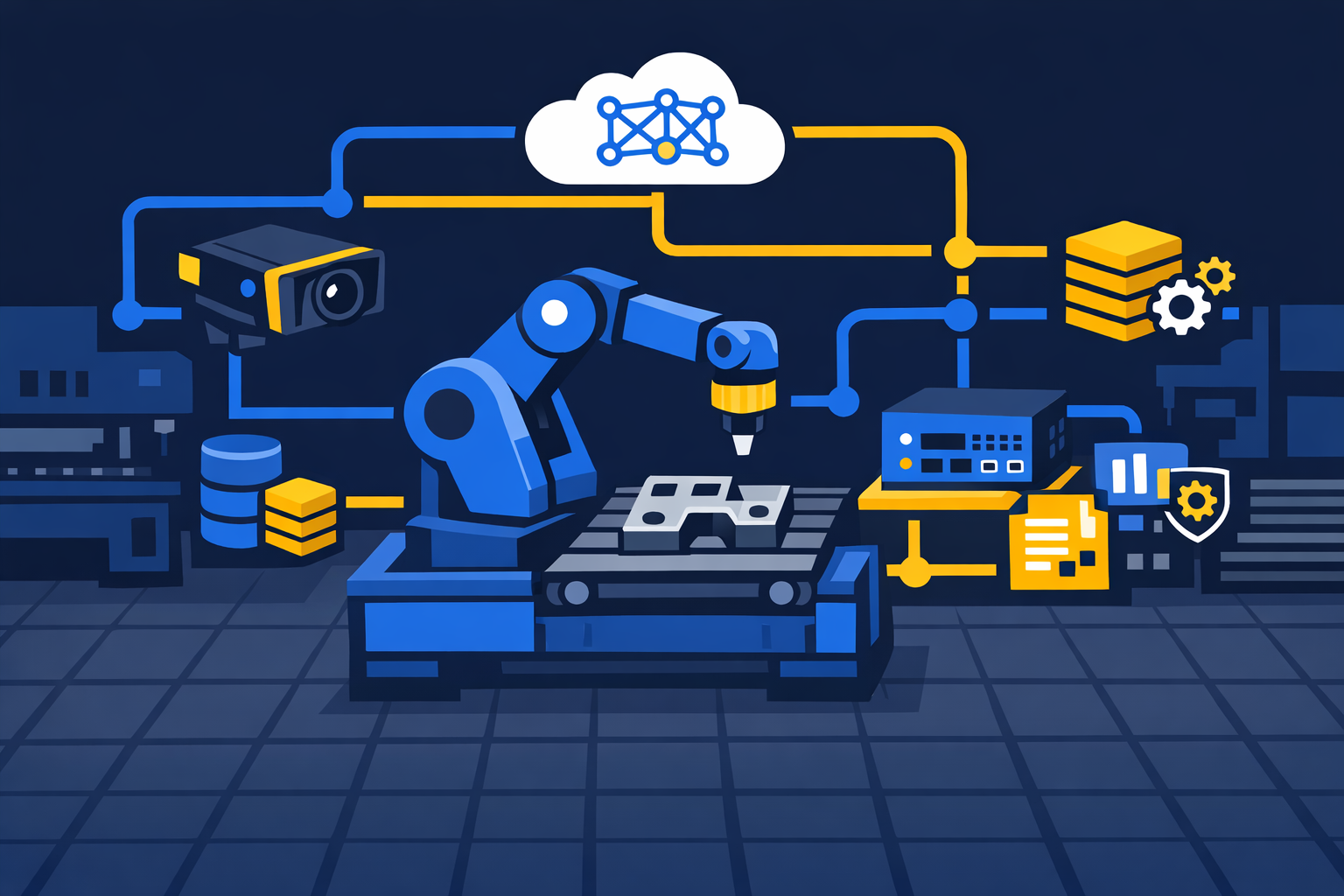
Cybersecurity is a key concern as sensor networks and edge computing expand on the shop floor. Workforce demands are shifting toward data management, model validation, and sensor maintenance. Analysts stress that combining AI quality control (AIQC) with digital twins allows operators to test scenarios virtually, minimizing disruptions from physical trial-and-error.
Outlook
Should these pilots advance to full-scale commercial systems, glass producers may redirect capital expenditures toward sensor networks, edge computing, and cloud analytics, while lowering operational costs. Regulatory scrutiny of emissions and energy tracking is likely to increase, influencing AI system adoption timelines and integration methods in critical manufacturing.