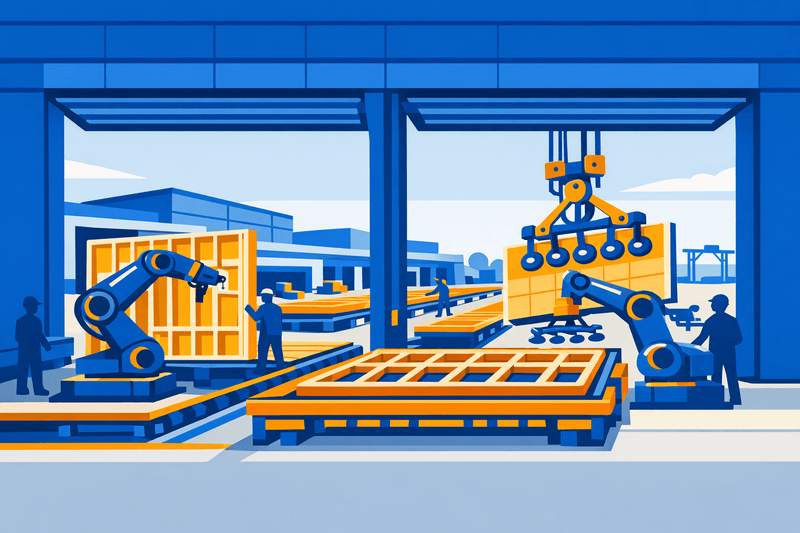
ABB Targets Mid-Market Fabricators With MACH 2026 Automation Lineup
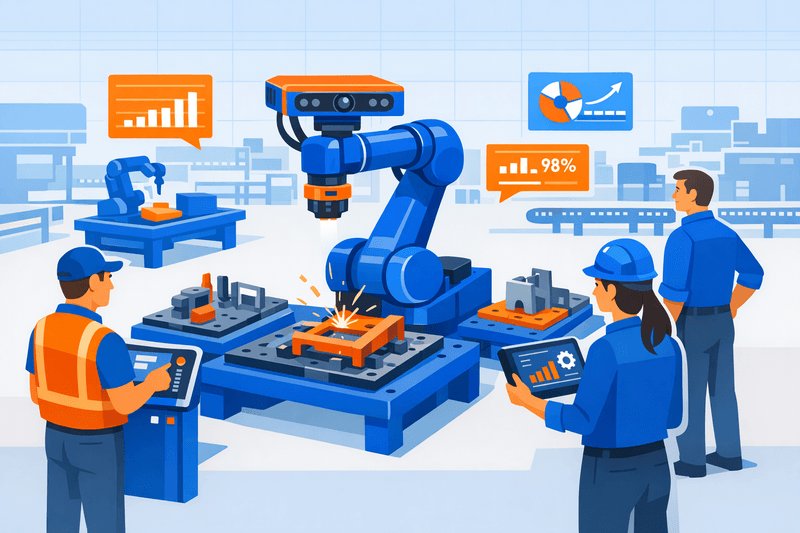
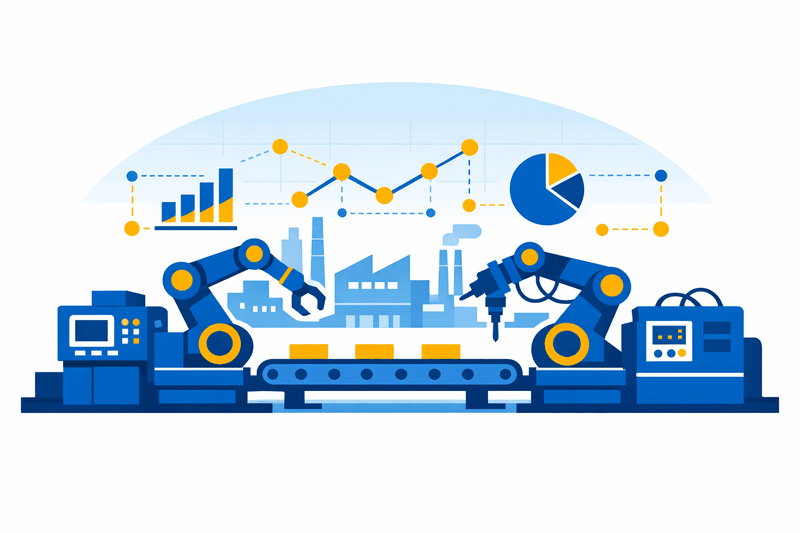
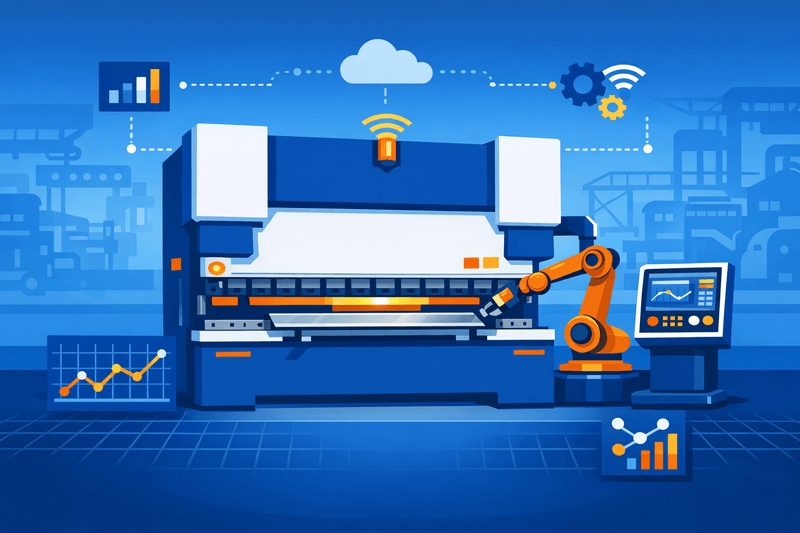
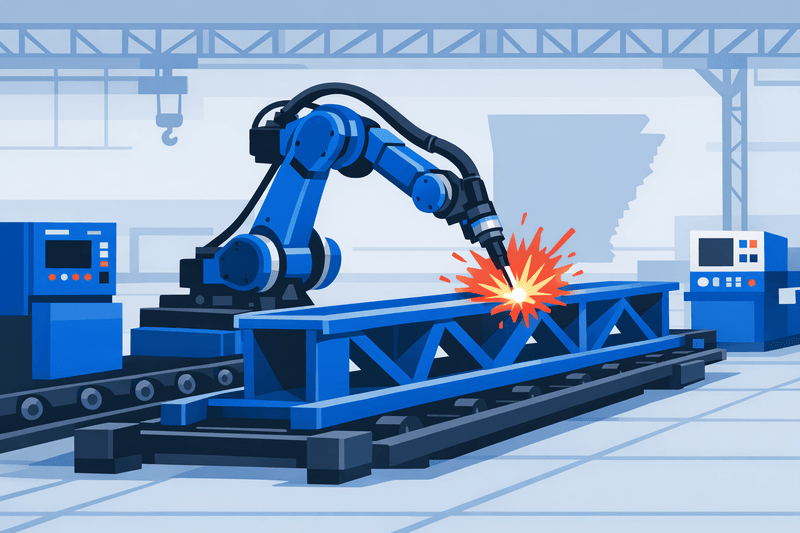
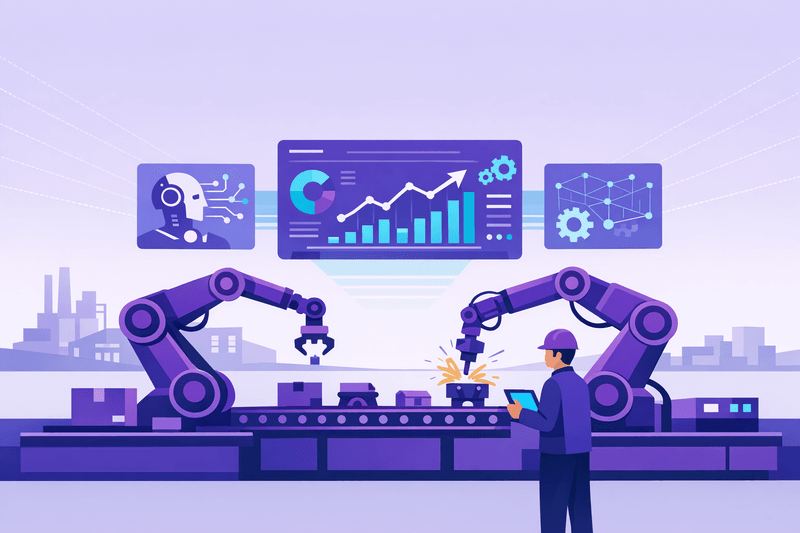
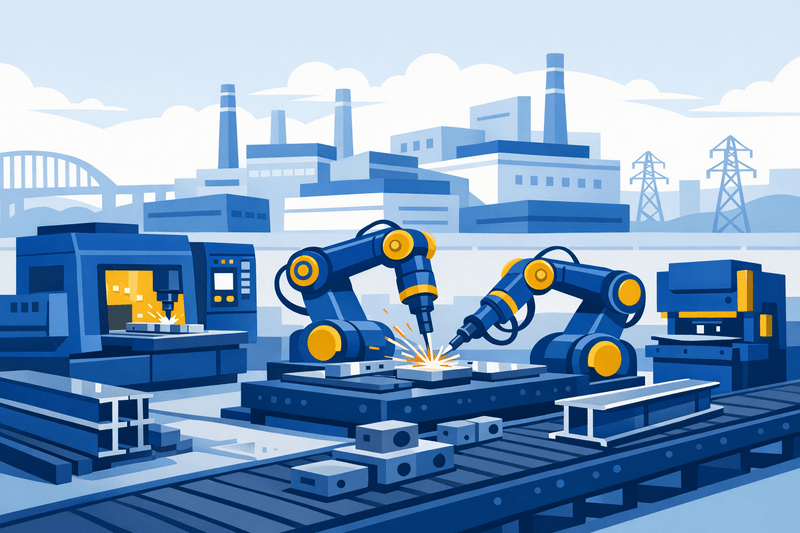
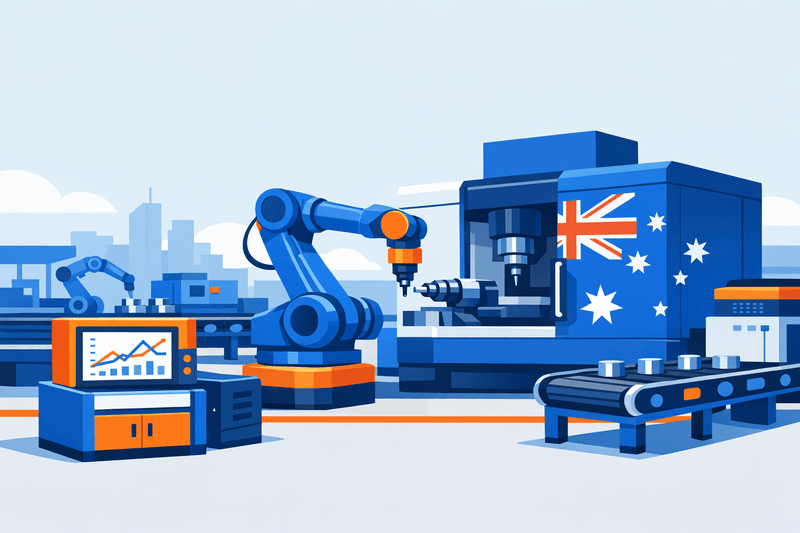
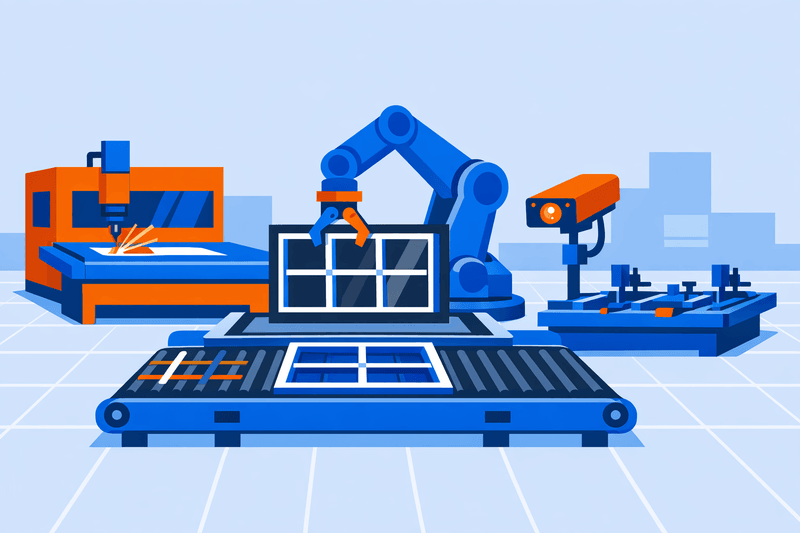
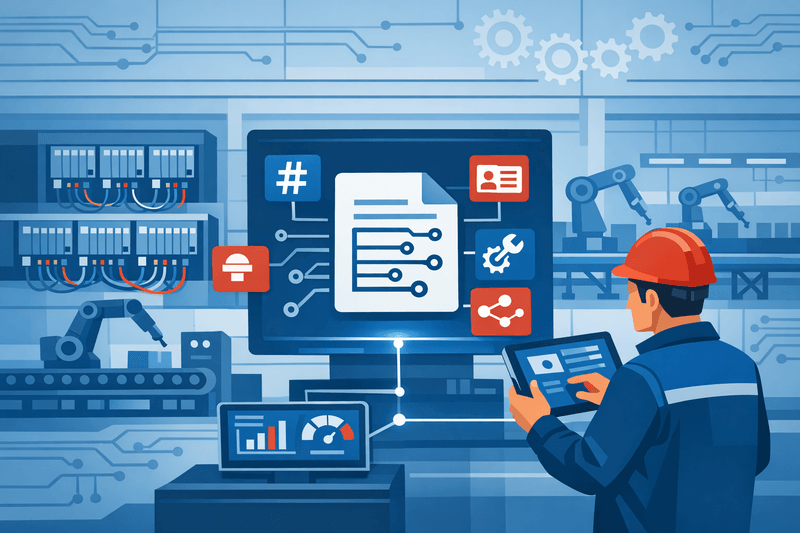
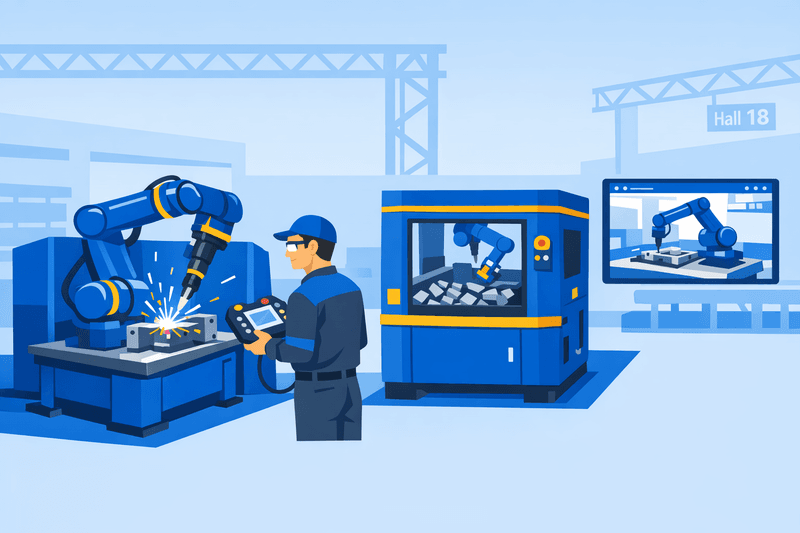
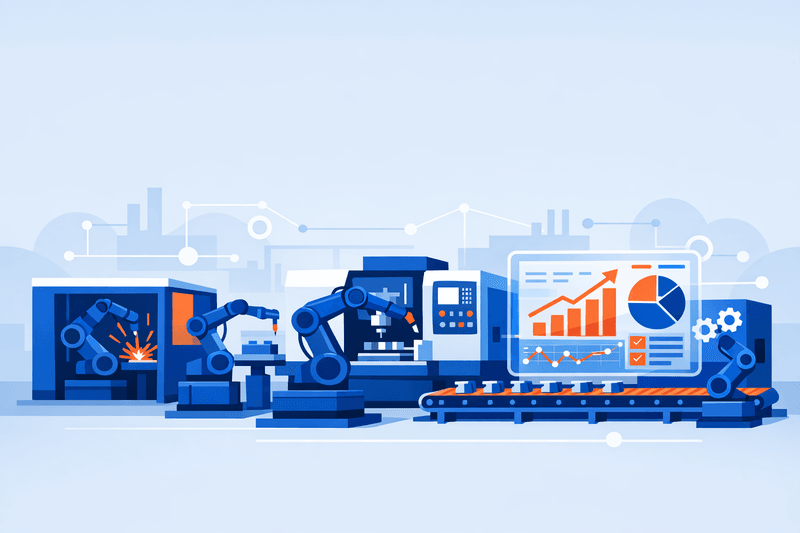
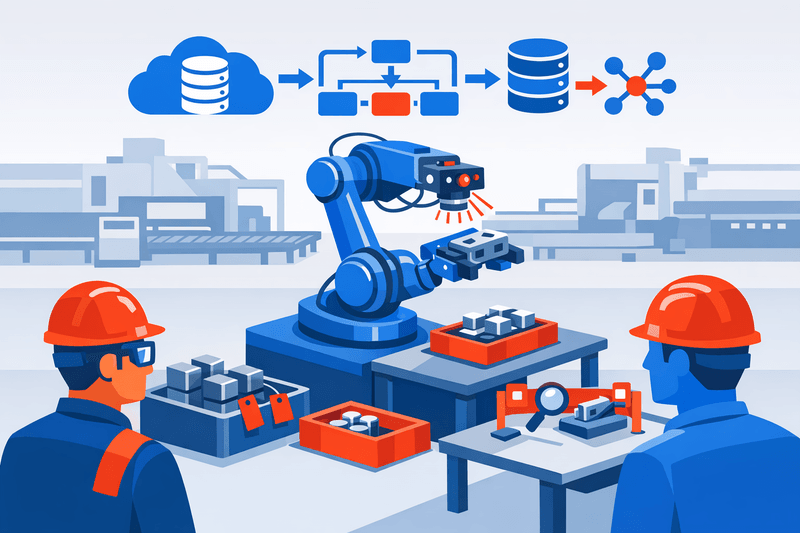
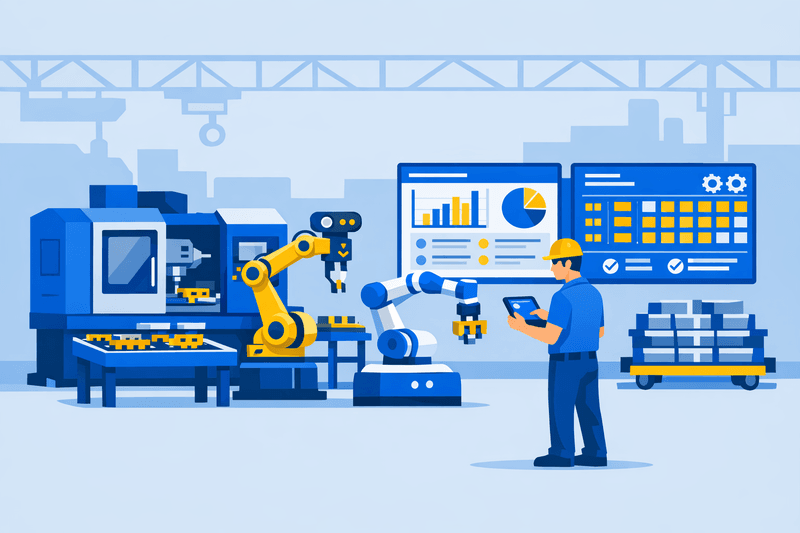
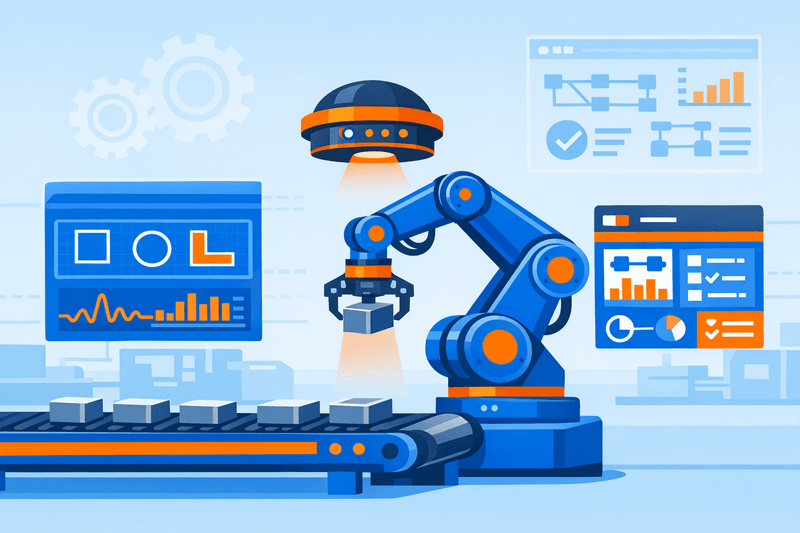
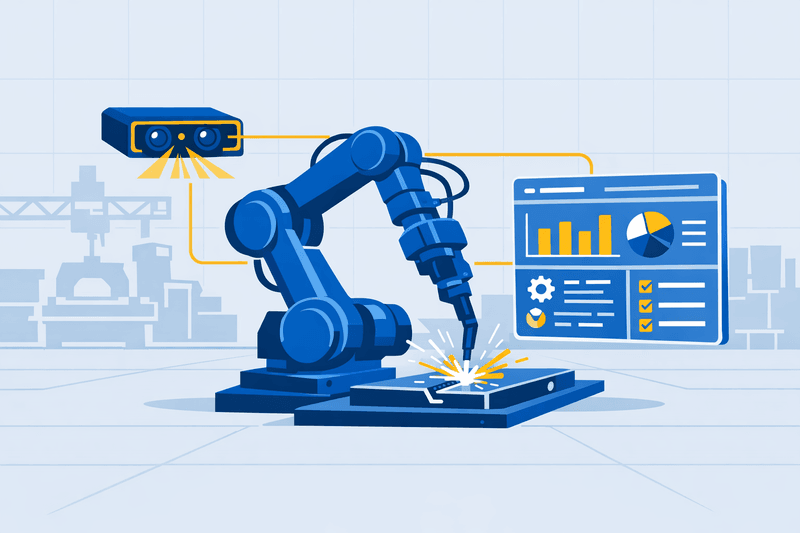
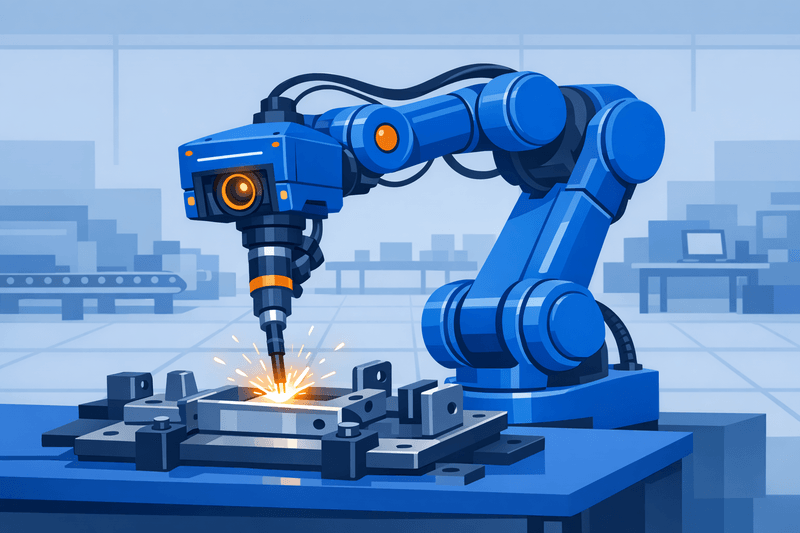
ABB Robotics brings cobot welding cells, FlexLoader FP800, and RobotStudio digital tools to MACH 2026, targeting mid-market metal fabricators.

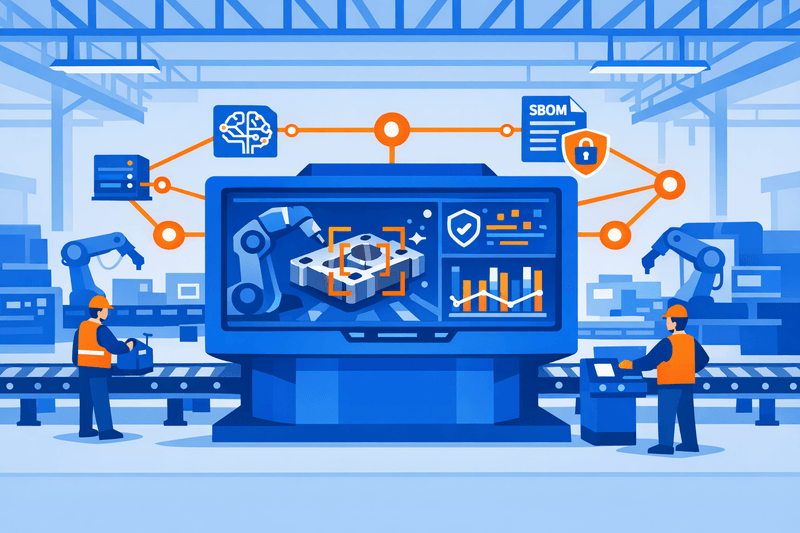
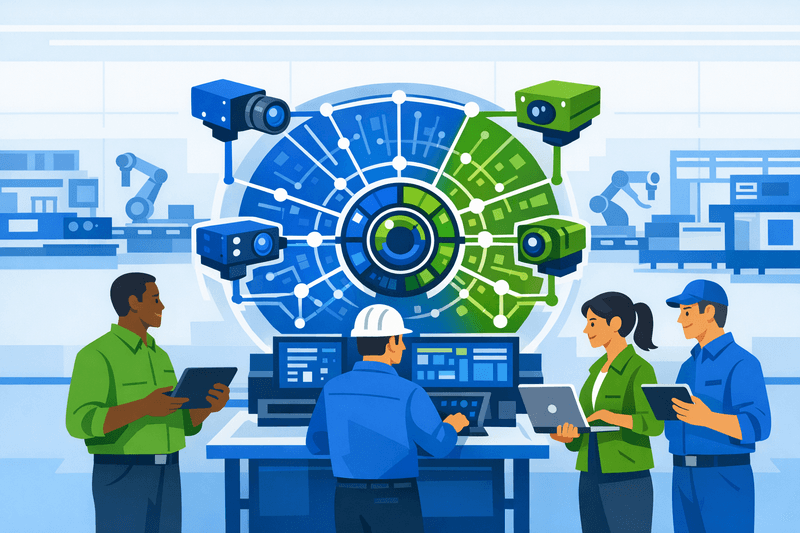
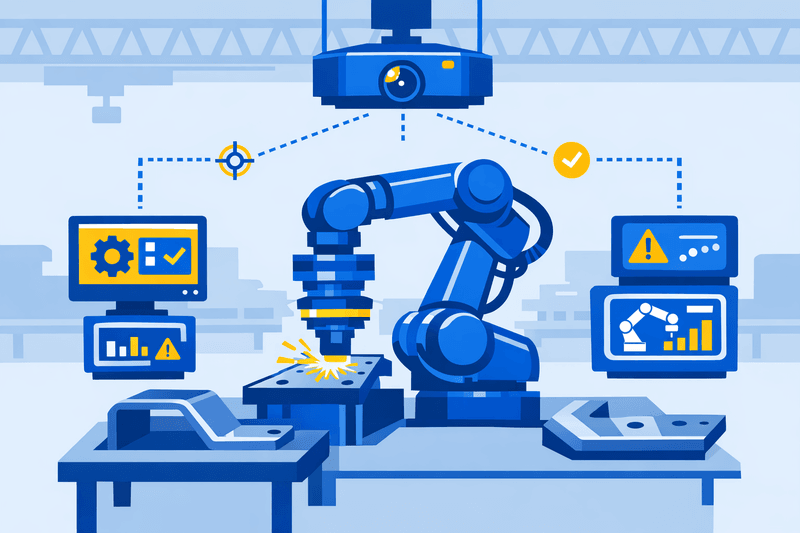
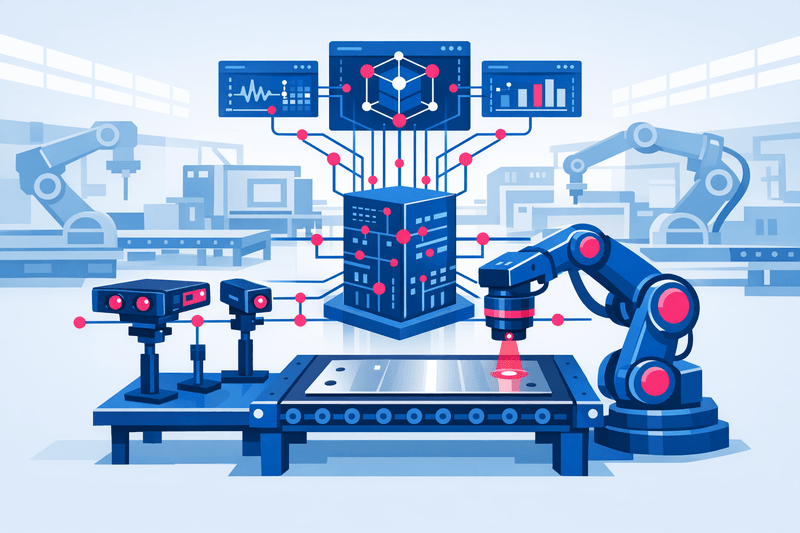
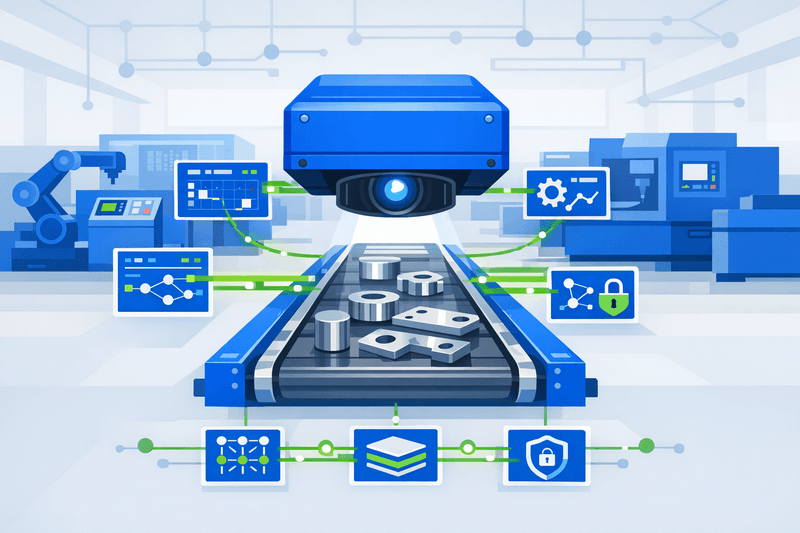
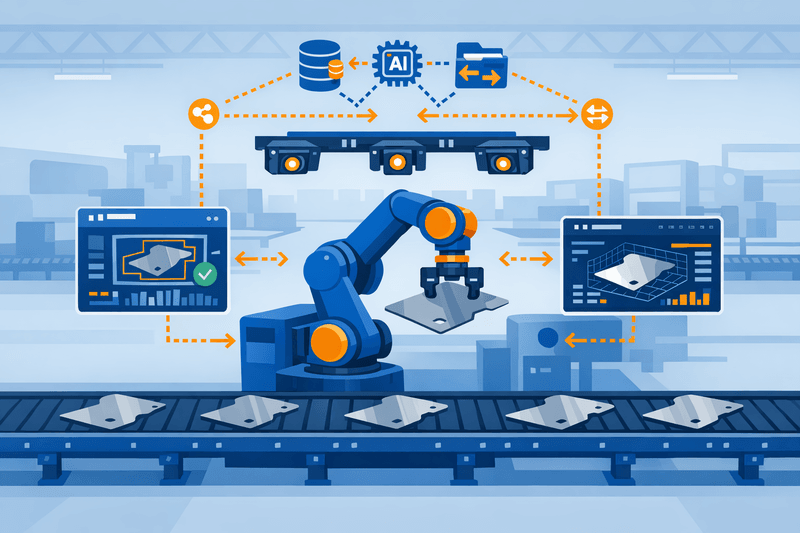
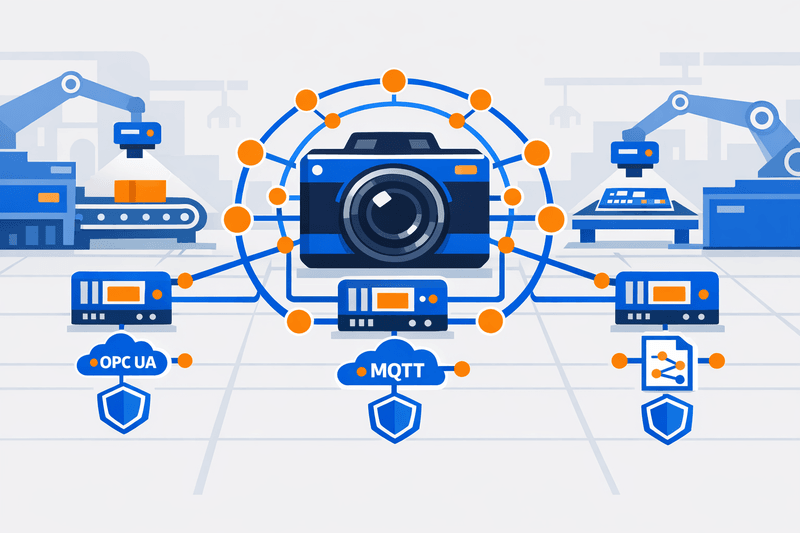
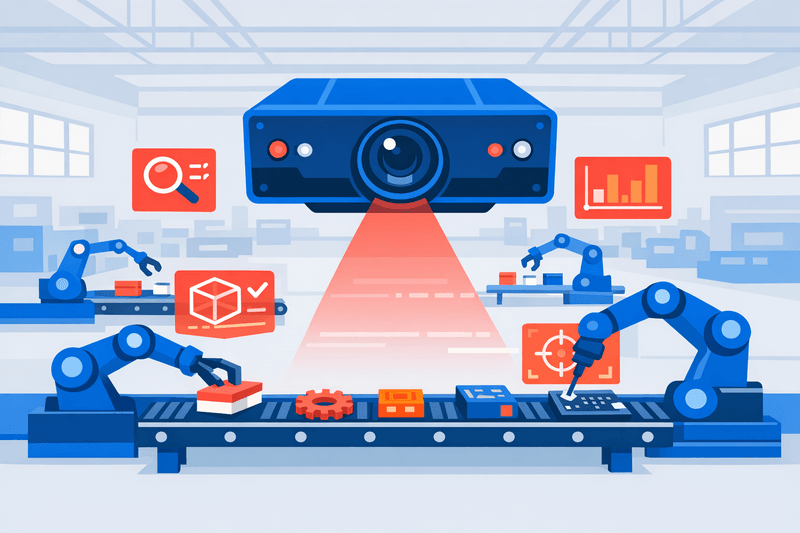
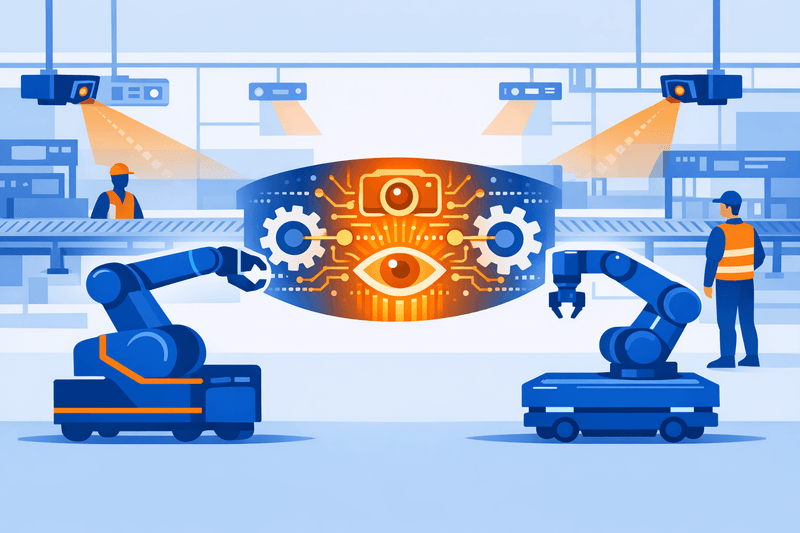
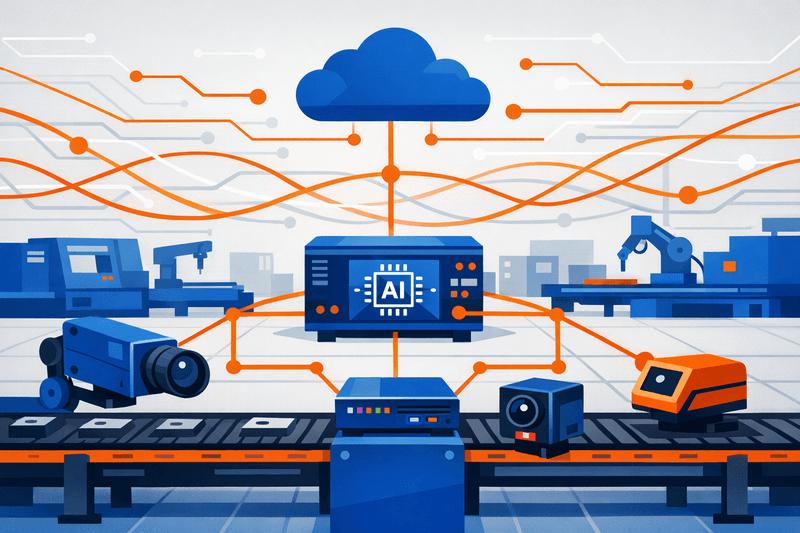
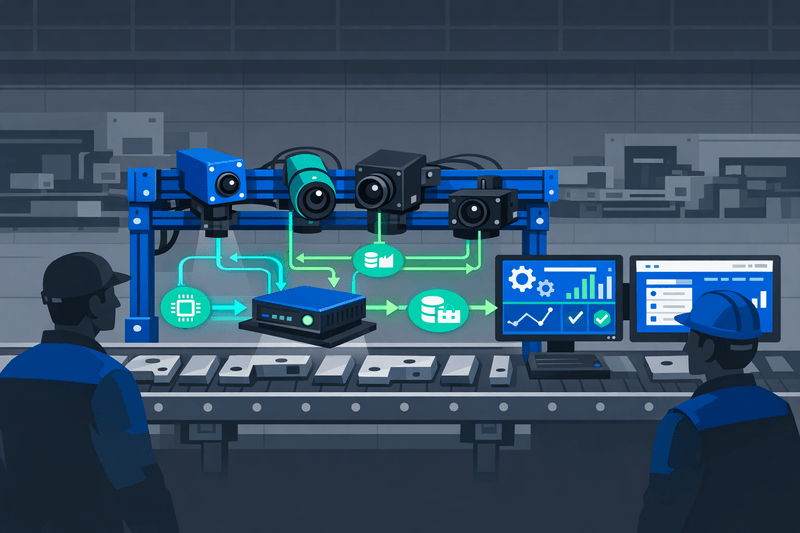
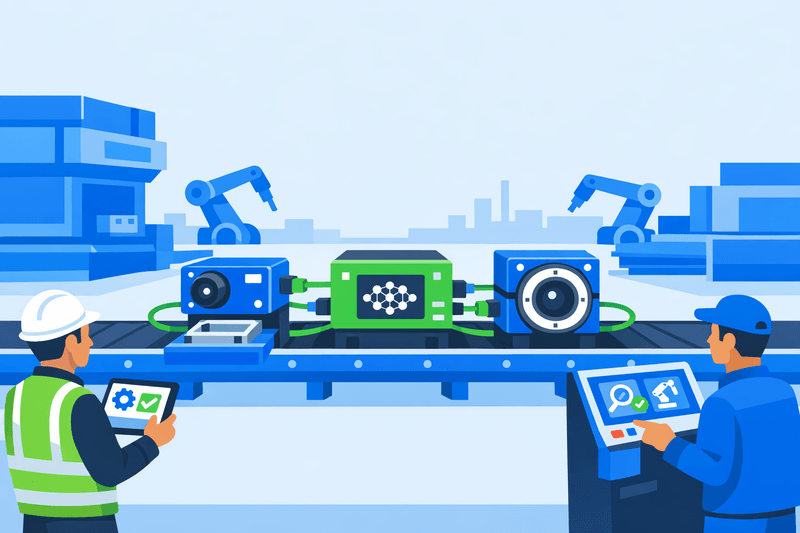
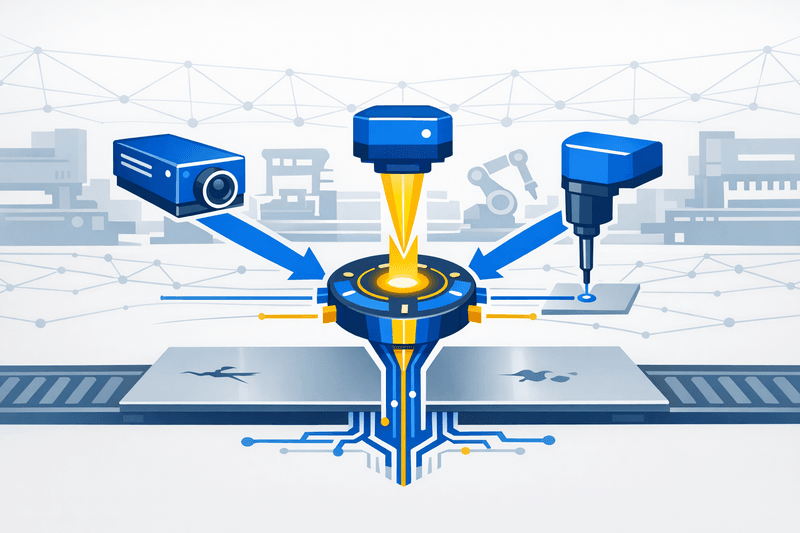
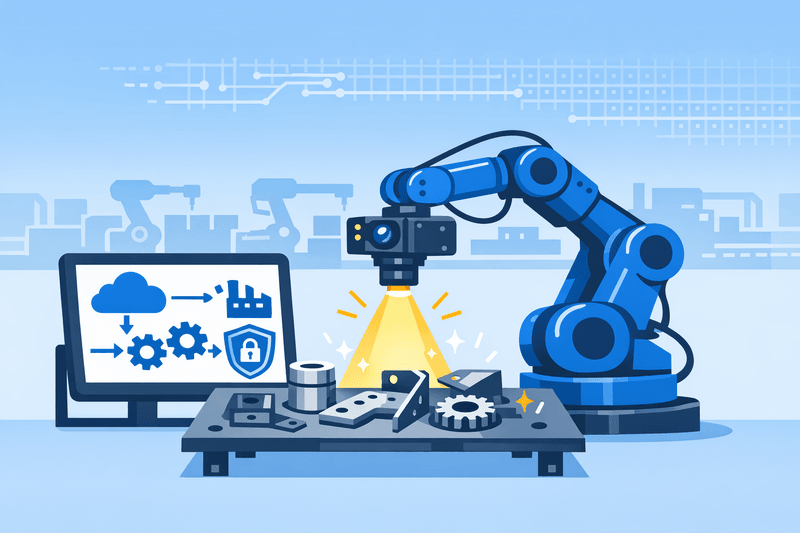
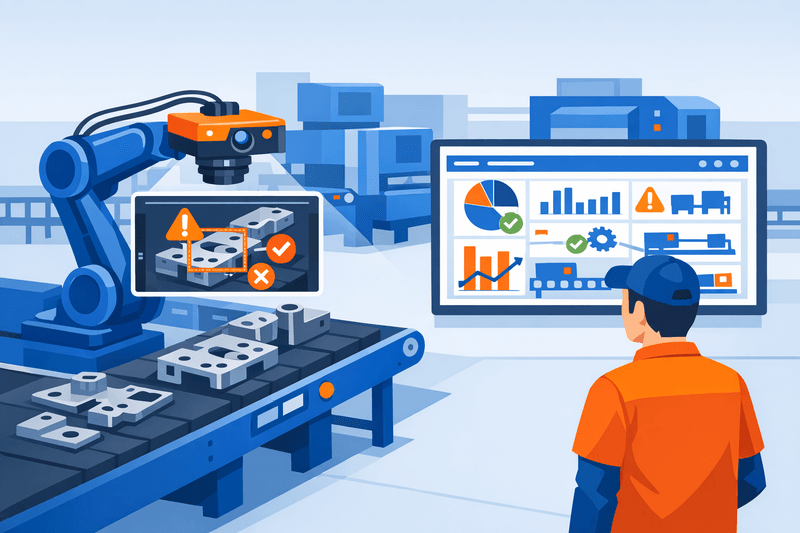
U.S. fabricators pilot cross-vendor AI defect detection using sensor fusion and OPC UA to cut scrap, break vendor lock-in, and build composable quality systems.

ABB Robotics brings cobot welding cells, FlexLoader FP800, and RobotStudio digital tools to MACH 2026, targeting mid-market metal fabricators.

PwC projects the share of highly automated industrial manufacturers will more than double by 2030, reshaping investment, supply chains, and workforce needs.

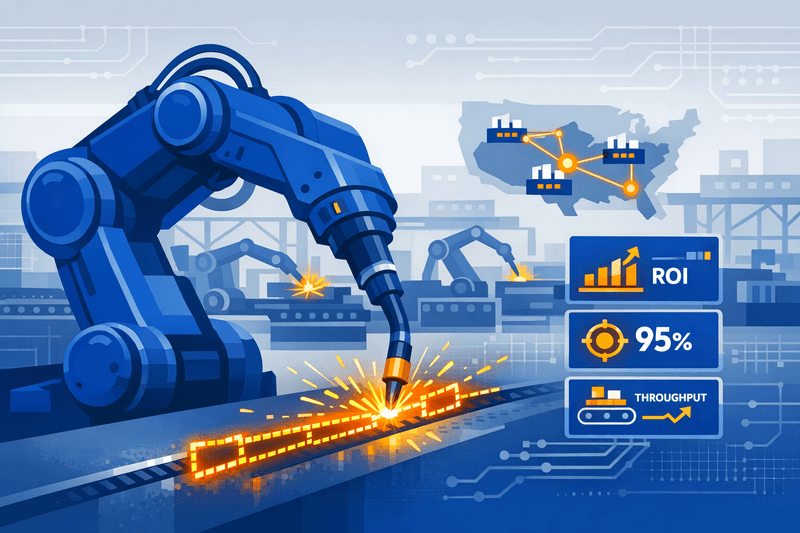
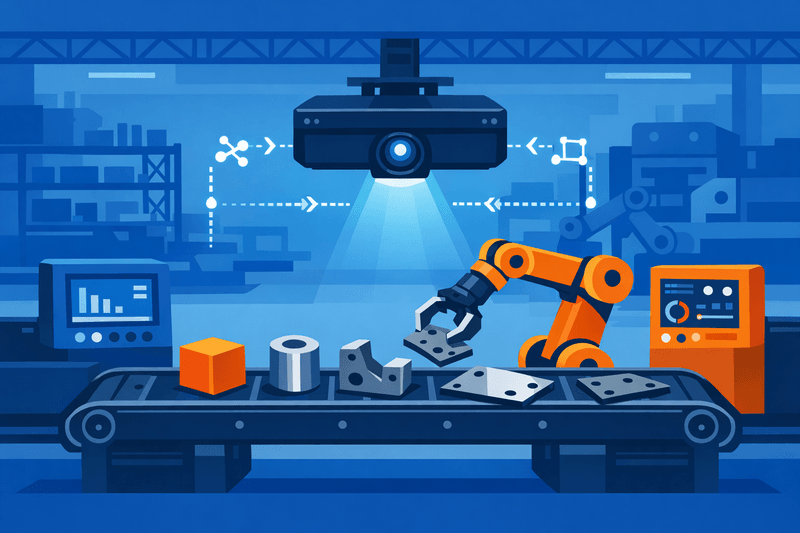
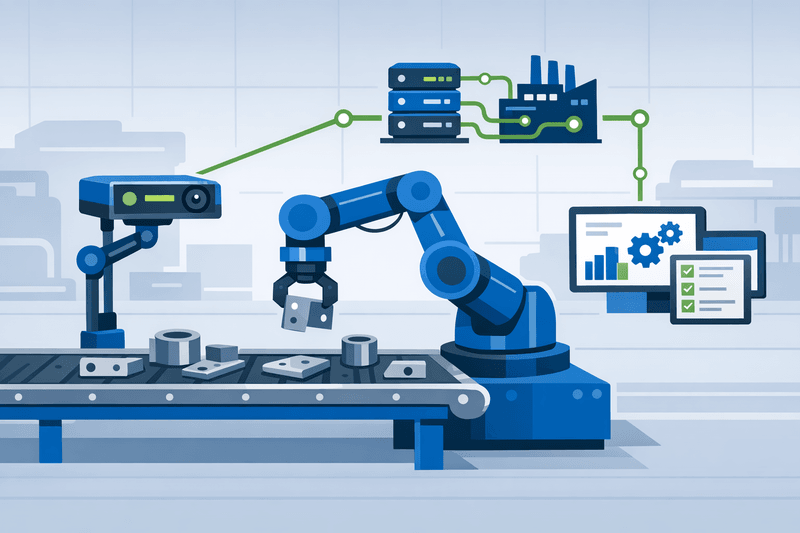
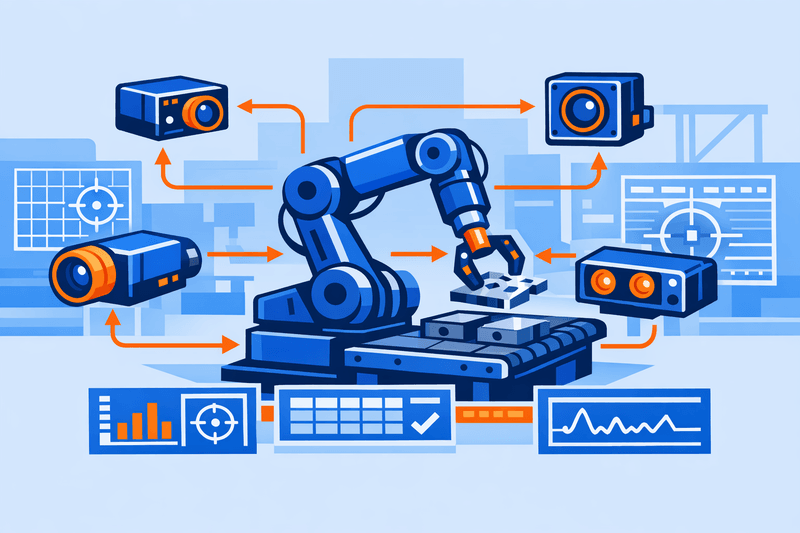
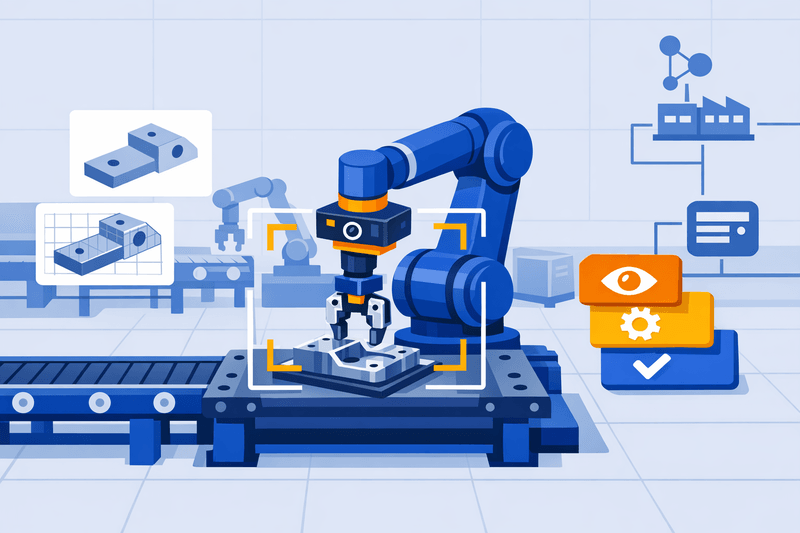
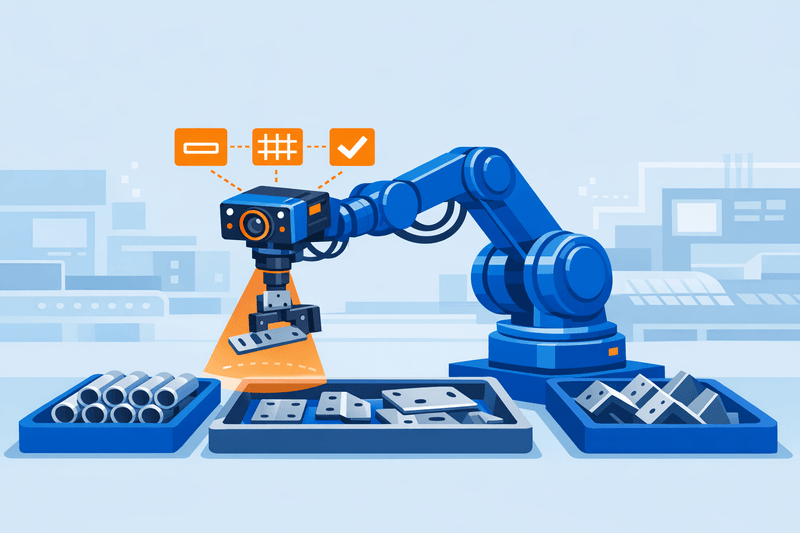
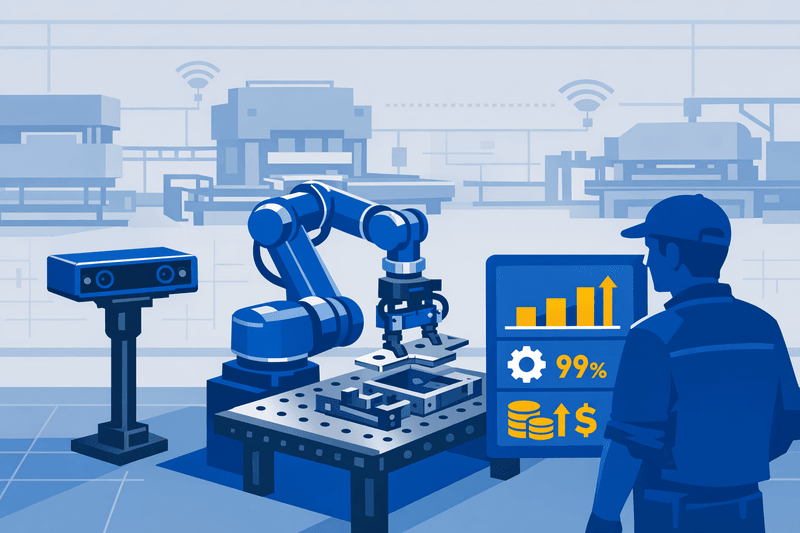
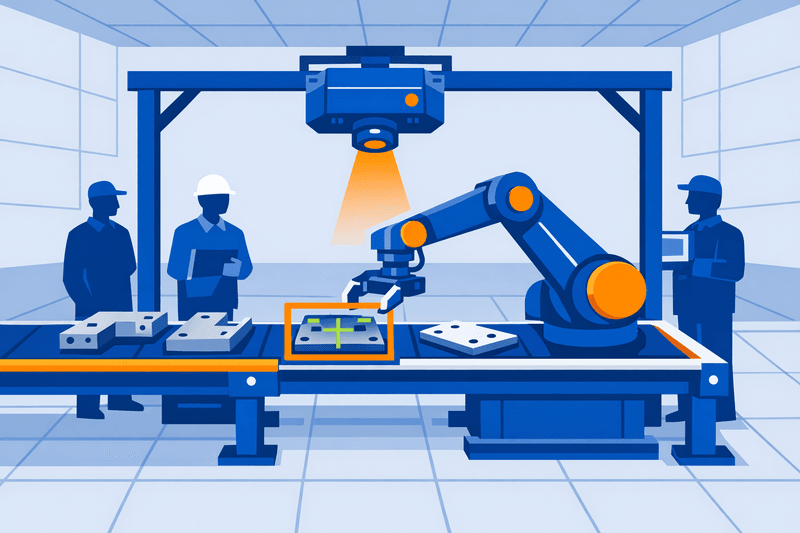
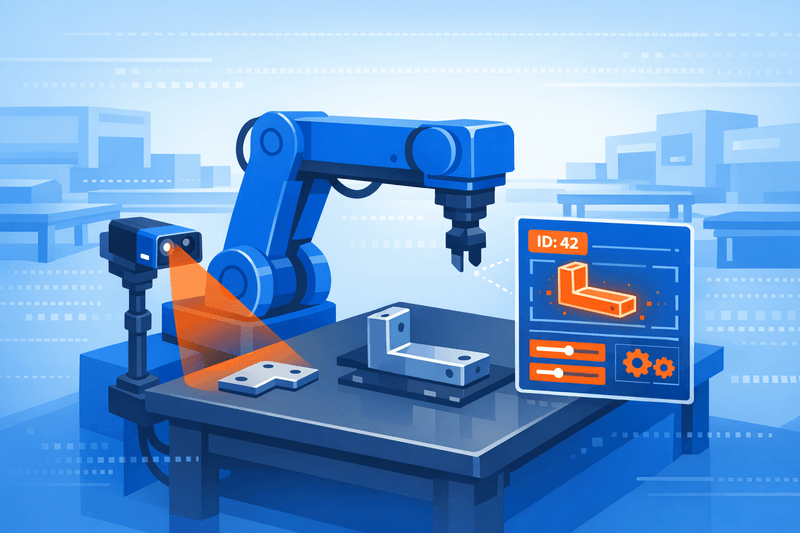
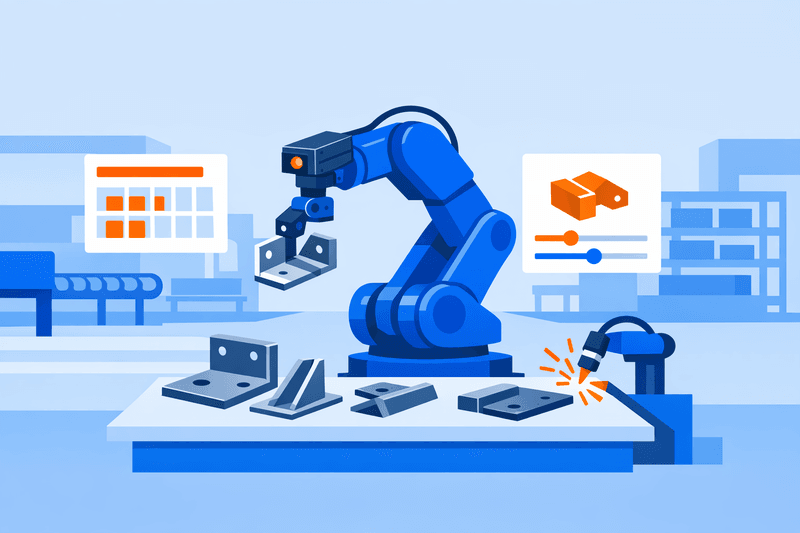
SME metal fabricators using vision-guided robotics in high-mix environments report two-to-ten-month ROI, with attention to training and MES/ERP integration.

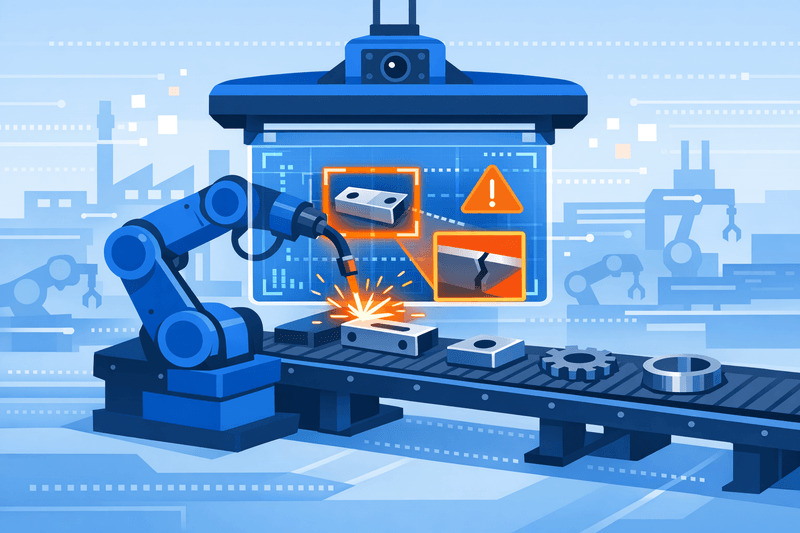
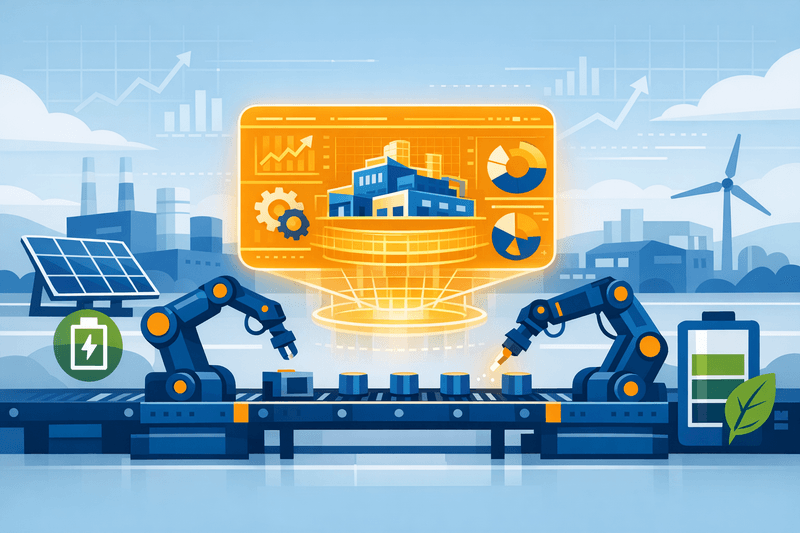
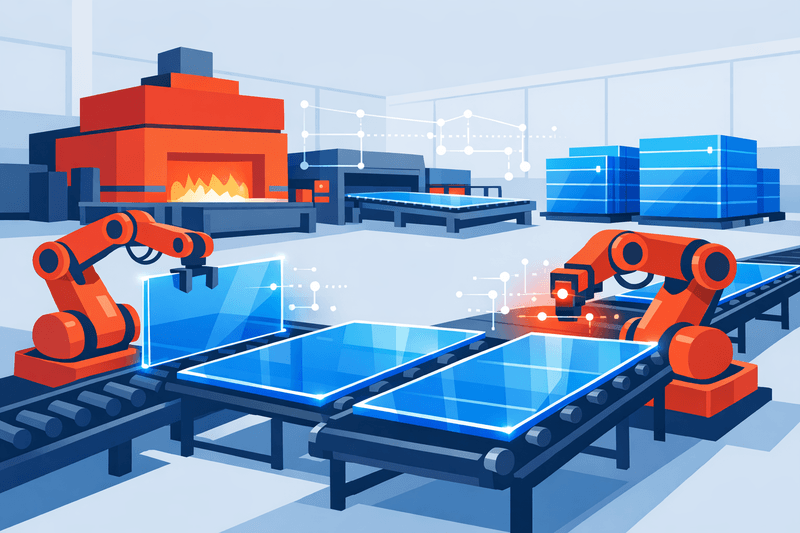
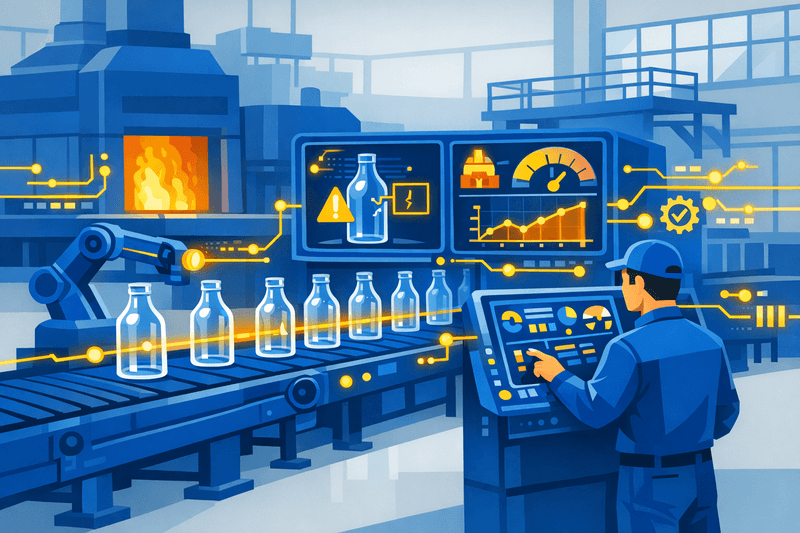
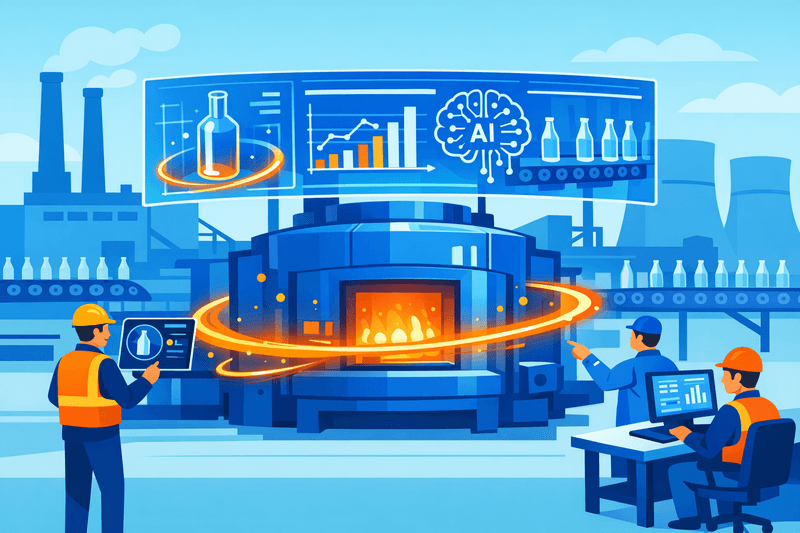
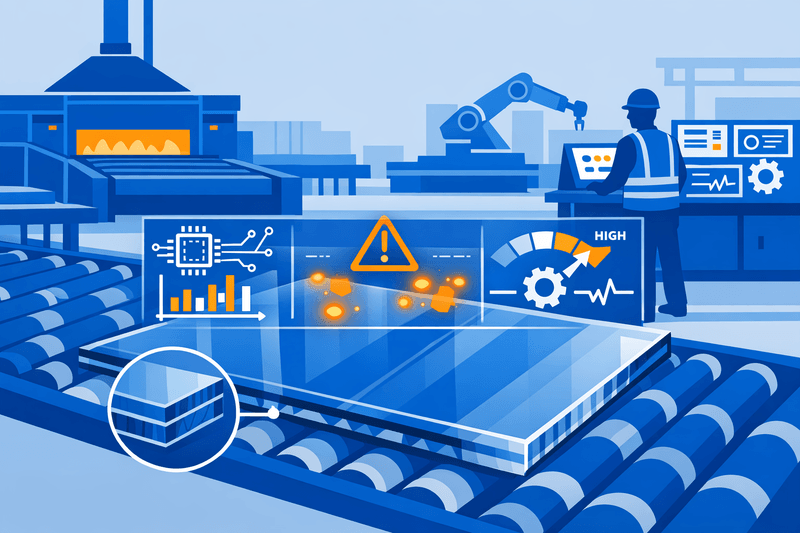
U.S. glass plants deploy AI defect detection and digital twins to cut waste, energy use and emissions, improving OEE across segments.

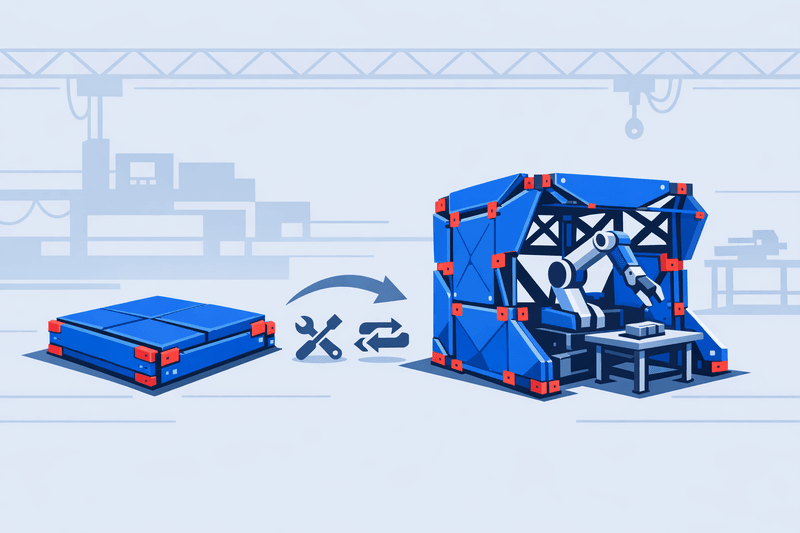
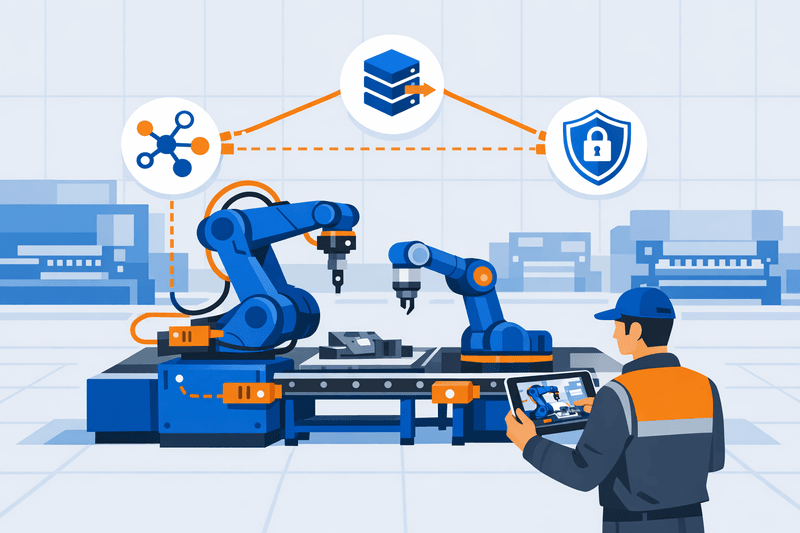
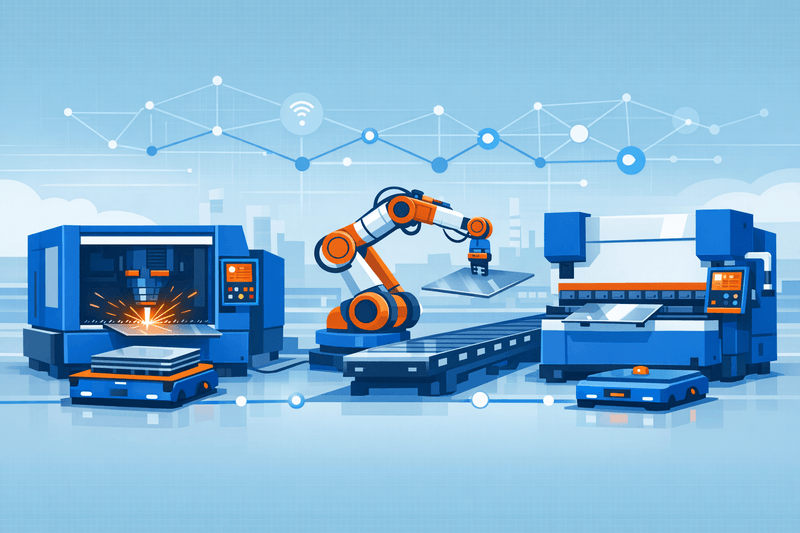
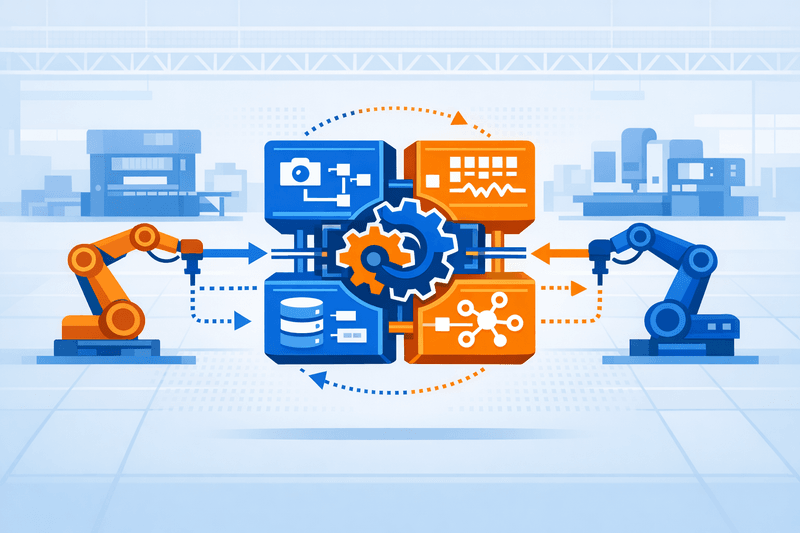
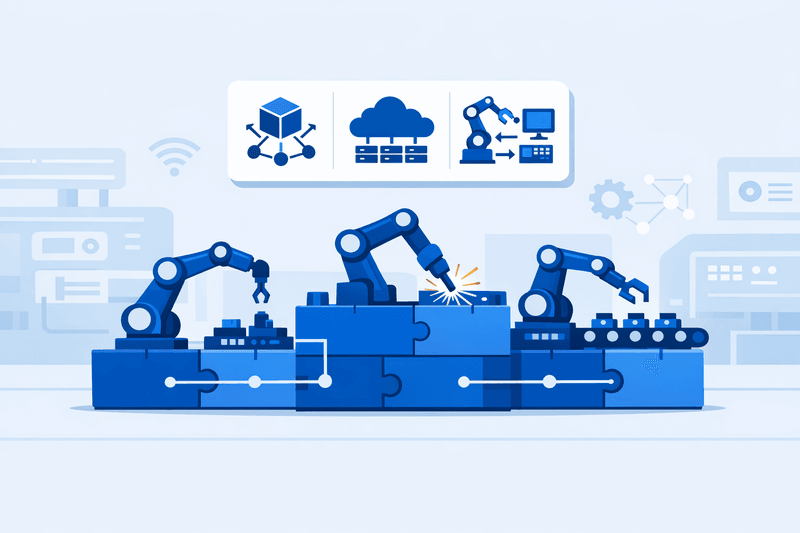
ABB at MACH 2026 introduced modular automation cells and tools focused on open interfaces and interoperability for easier cross-vendor integration.

Analysis of AI-driven real-time process control in glass fabrication-waste reduction, energy savings, and safety gains applicable to other industries.

SMEs in automotive and aerospace deploy vision-guided robots for inspection and pick-and-place, achieving rapid ROI and enabling flexible, multi-part lines.

PwC expects manufacturing automation to more than double by 2030. Learn how this will impact ROI, workforce skills, and policy for metalworking manufacturers.

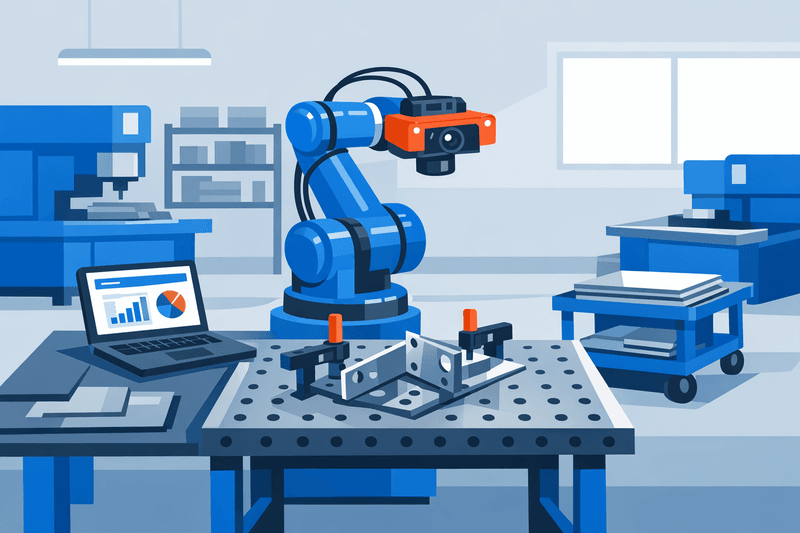
Mid-size metal shops gain measurable ROI from vision-guided robotics integrated with ERP/MES, enabled by reskilling and advanced safety protocols.

U.S. glass plants pilot AI and digital twins to halve energy use and reduce scrap with DOE grants targeting industrial decarbonization.

Vision-guided robotics adoption in high-mix metal fabrication is delivering 12-18 month ROI amid integration and workforce transitions.

SME metal shops using vision-guided robotics report 6-24 month payback, reduced staffing, improved quality, and new technician training requirements.

U.S. glass plants are piloting AI-enabled vision systems and digital twins to cut defects, energy use, and scrap, posting measurable early improvements.

U.S. glass plants are deploying AI-based defect detection and furnace optimization systems, cutting energy use up to 20% and reducing scrap with ROI in 12-18 months.

US glass plants launch AI pilots for defect detection, energy optimization, and predictive maintenance as regulations tighten.

US glass plants use AI for defect detection and energy optimization, driving down scrap, cutting furnace energy use, and boosting plant yields.

SME metal shops adopt vision-guided robotics to cut changeover times and boost ROI, yet face integration and training challenges amid evolving standards.

U.S. glass factories are piloting AI-powered defect detection and digital twin systems to cut scrap and energy while maintaining throughput.

US grants are helping small metal fabrication shops implement vision-guided robotics, improving productivity and quality as reshoring accelerates.

U.S. glass makers are piloting AI-driven digital twins and predictive maintenance to lower energy use, defects, and operational risk in manufacturing.

Analysis of vision-guided robotics for high-mix metal fabrication SMEs: ROI, changeover, quality, safety standards, and phased implementation strategy.

Overview of AI's impact on U.S. glass fabrication, with data on improvements in energy, quality, and safety, offering insights for metalworking operations.

Vision-guided robotics drive rapid ROI in high-mix metal fabrication, improving part changeover, integration, and cybersecurity measures.

Glass fabrication shifts from AI pilots to interoperable process control, improving real-time quality, energy, and maintenance across production.
Researchers achieved sub-100 nm surface finish using 30-fs laser photoablation on diamond tools, enabling ultra-precision micro-machining with no heat damage.

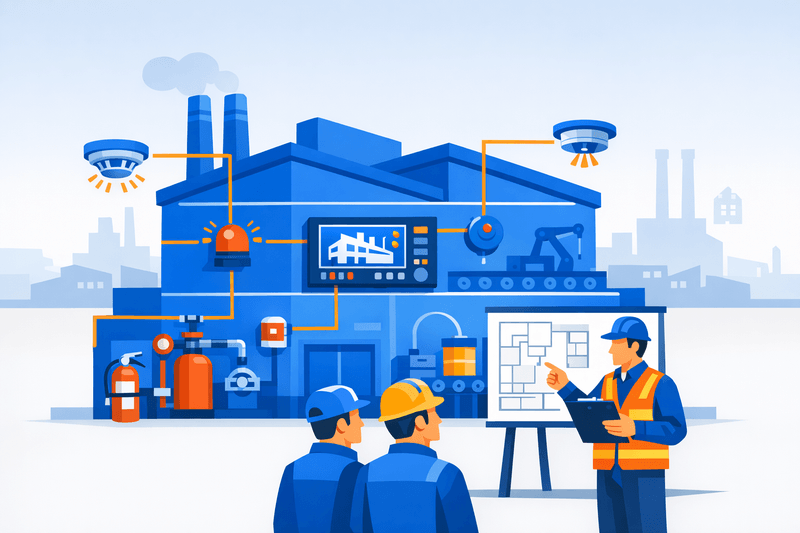
How tighter fire safety regulations are driving automation, digital twins, and resilience investments in metalworking and fabrication plants.

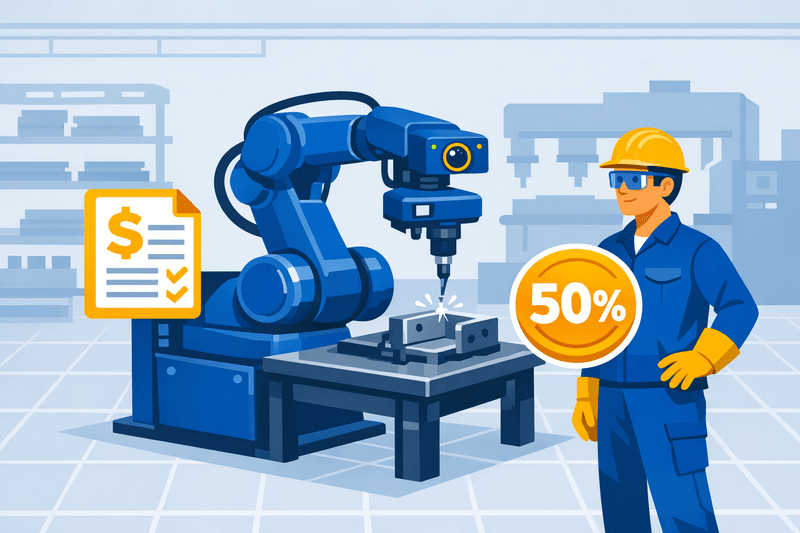
US launches grants for vision-guided robotics in small metal shops, covering up to 50% of costs; pilot recipients report 20-30% productivity gains.

U.S. mid-sized fabricators expand vision-guided robotics, citing throughput gains and fast changeovers from modular tooling and standardized vision solutions.

Kirigami-inspired composite materials and deployable structures are advancing lightweight, adaptable safety gear for aerospace and industry.

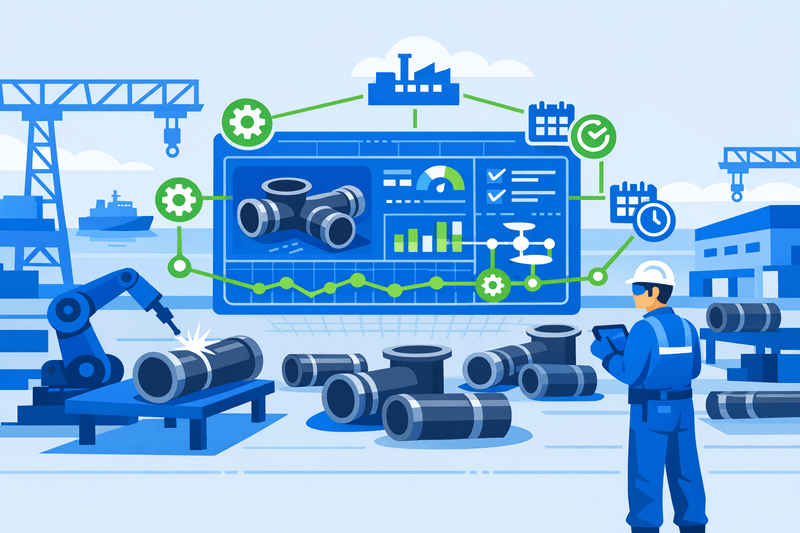
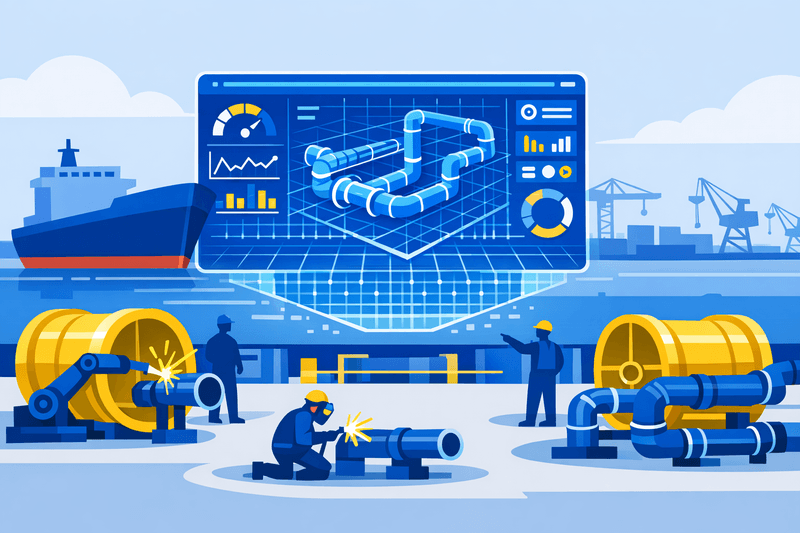
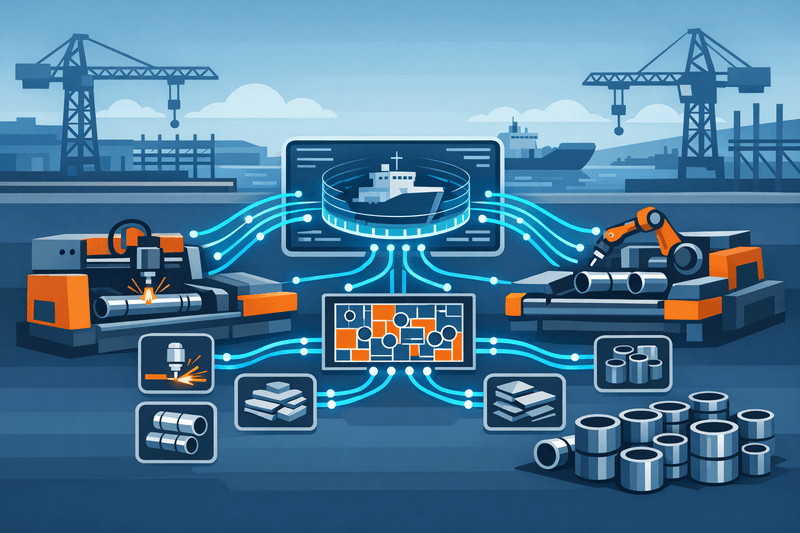
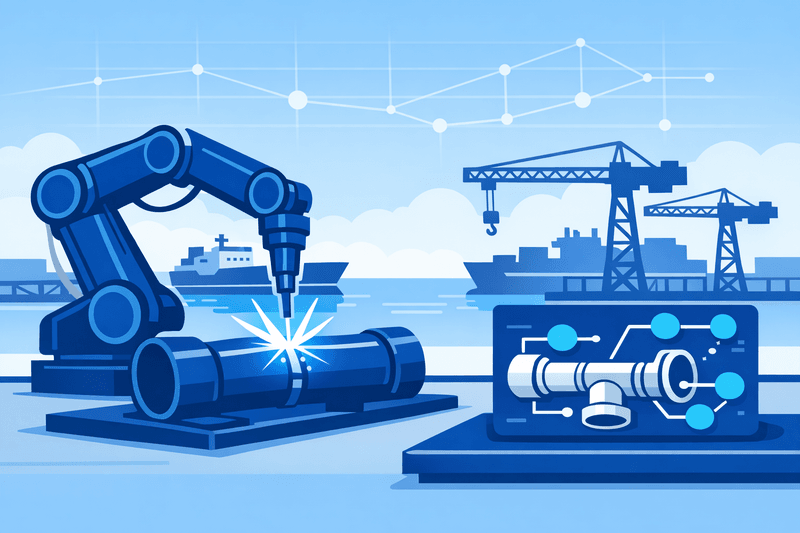
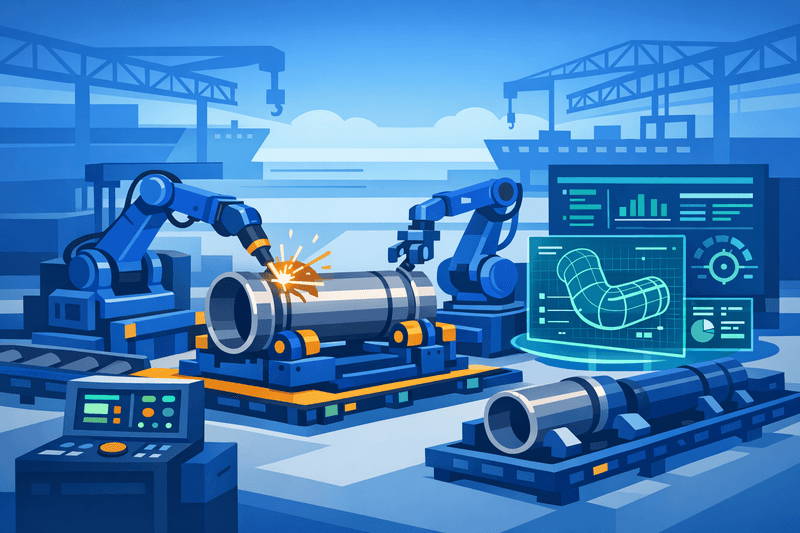
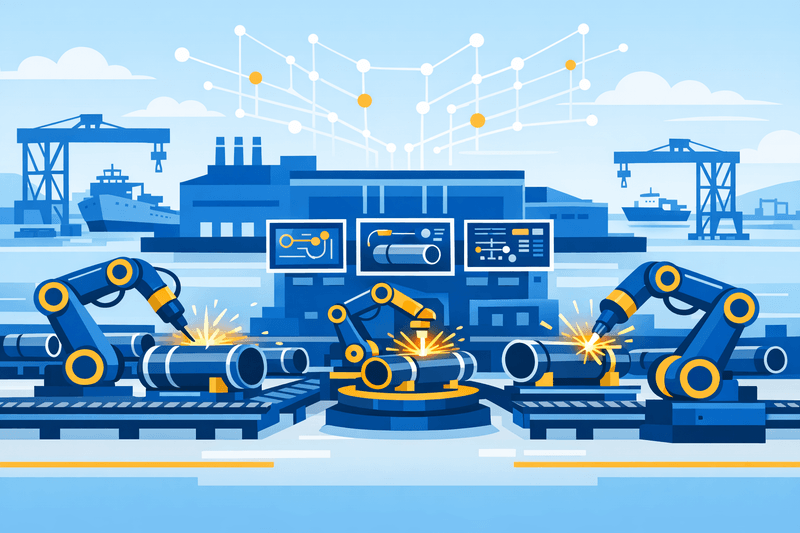
Shipyards adopt end-to-end digital twins for pipe spool fabrication, integrating ERP, MES, robotics, and predictive maintenance to boost efficiency and reduce rework.

Federal grants help small metal fabrication shops adopt vision-guided robotics, accelerating changeovers and quality while tackling integration challenges.

Shipyards are using digital twin workflows in pipe spool fabrication to optimize emissions, quality, and delivery, driven by new EU and IMO standards.

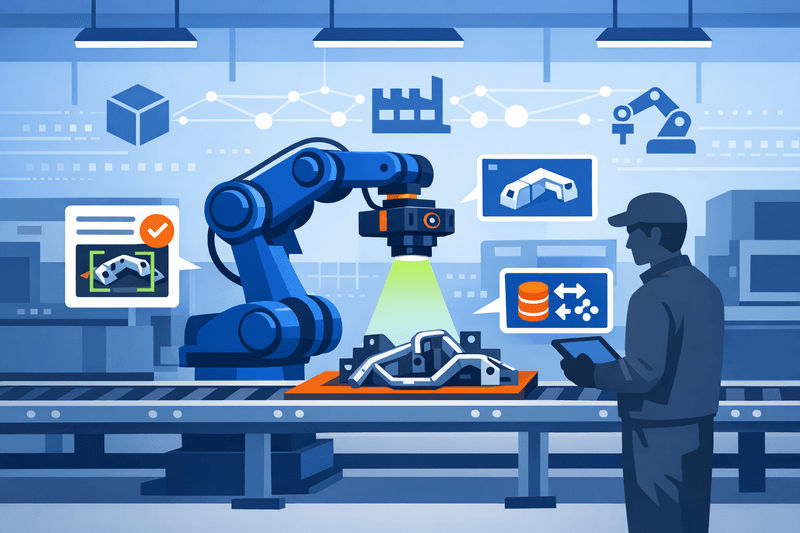
Vision-guided robotics are optimizing high-mix metal fabrication with AI perception and standards, enabling rapid ROI and enhanced process quality.

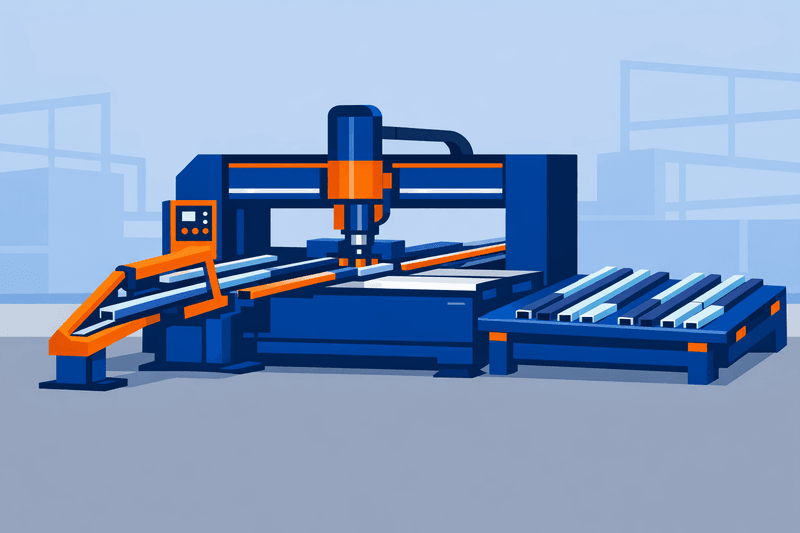
US launches 2026 initiative funding automation upgrades for small metal fabrication shops, supporting robotics, CNC, analytics, and workforce training.

Kirigami designs are advancing crash-absorbing PPE, deployable space textiles, and inflatable soft-robotic actuators through innovative geometric patterning.

HYDRA robotic liquid-handling enables fast, uniform hydrogel fabrication in HTS plates, boosting automation and MES integration for scale-up.

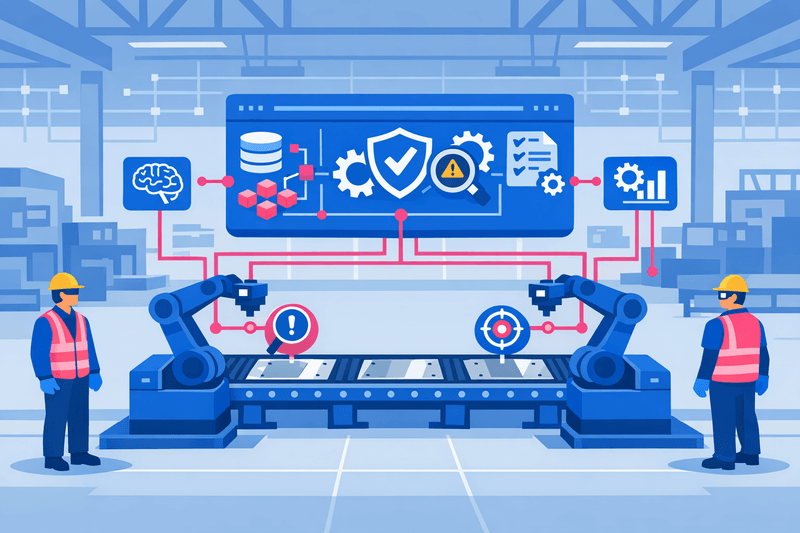
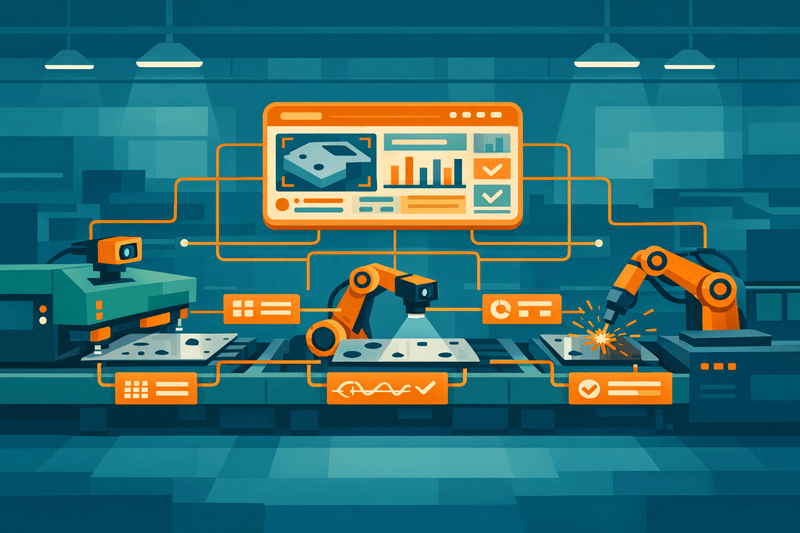
Vision-guided AI systems are boosting high-mix metal fabrication with real-time inspection, PLC/MES integration, faster changeovers, and early ROI.

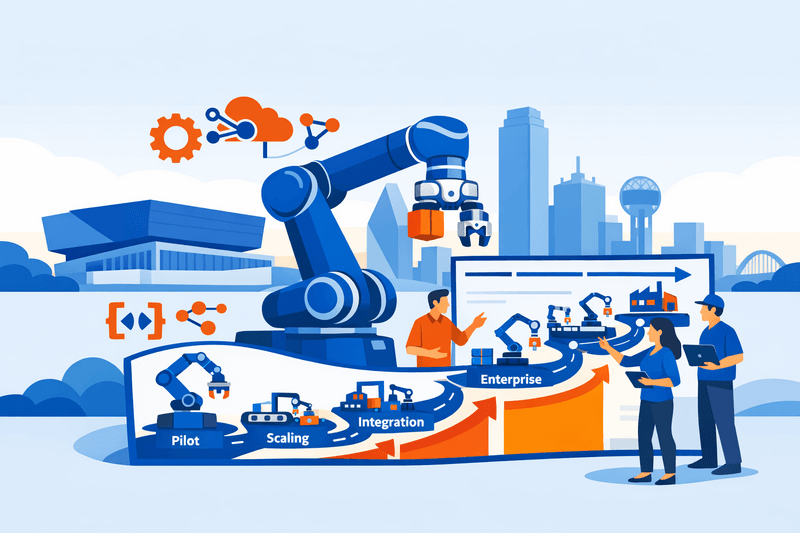
OnRobot hosted a Dallas event on Feb. 19, 2026, supporting manufacturers with automation roadmaps focused on ROI and open, scalable deployment.

Vision-guided robotics are cutting changeover times in high-mix metal fabrication, aided by MES/ERP integration and inline quality inspection.

OnRobot's Dallas event on Feb 19, 2026, featured ROI modeling, demos, and strategies to guide scalable, mixed-technology automation deployments.

Vision-guided AI robotics are boosting throughput and quality in high-mix metal fabrication, driving ROI and workforce transformation.

Helsinki Shipyard and PipeCloud automated pipe spool fabrication with AVEVA E3D data, reducing material waste by ~10% and increasing traceability.

Metal fabricators integrate vision robotics with MES/ERP for flexible HMLV production; challenges include interoperability, cybersecurity, and workforce training.

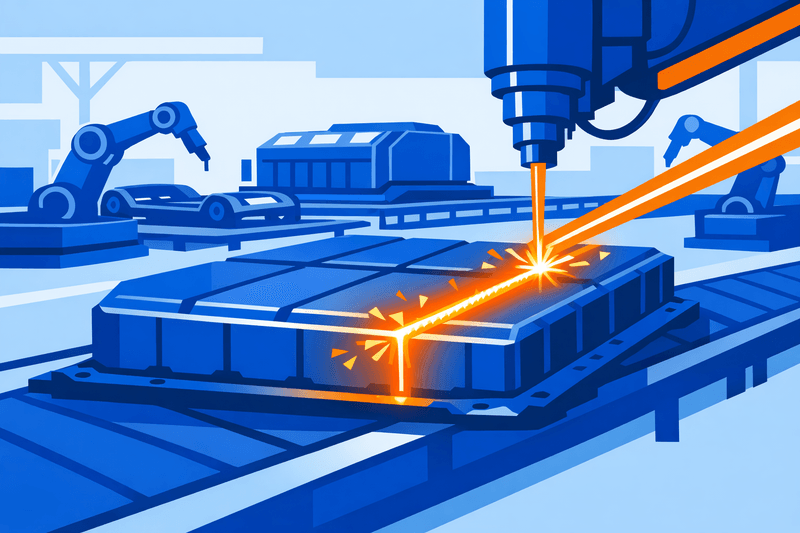
Samsung Heavy Industries advances automated pipe-spool fabrication with laser robotic welding and digital traceability, boosting efficiency and safety.

Vision-guided automation is enabling sub-second changeovers in high-mix metal fabrication, reducing downtime and improving flexibility through AI vision and industry standards.

Vision-guided, AI-assisted robotics enable high-mix metal fabrication with faster setup, improved quality, and flexible workforce adaptation.
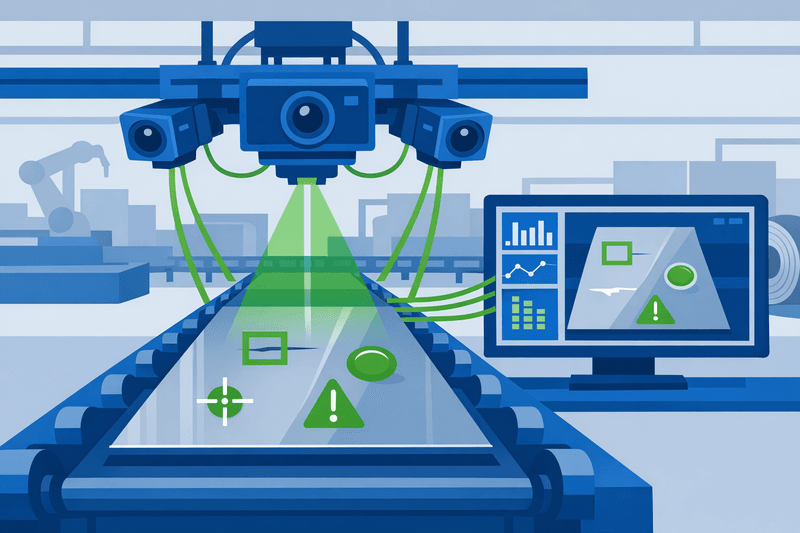
Analysis of Samsung Heavy's pipe-spool automation and digital yard integration reshaping shipyards, productivity, safety, and maritime supply chains.

Samsung Heavy Industries opens fully automated pipe spool fabrication facility as part of its smart shipyard push, enhancing safety and productivity.

Analysis of vision-guided automation's impact on high-mix metal fabrication: productivity, quality, standards, and workforce transformation.
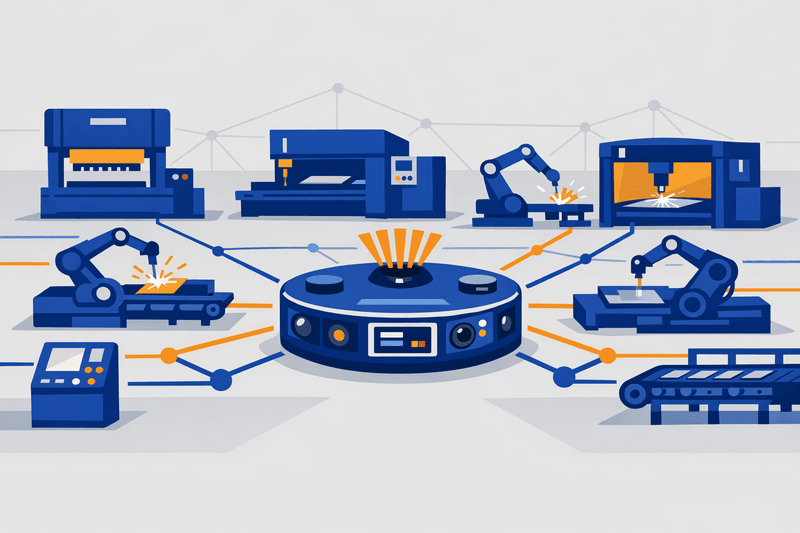
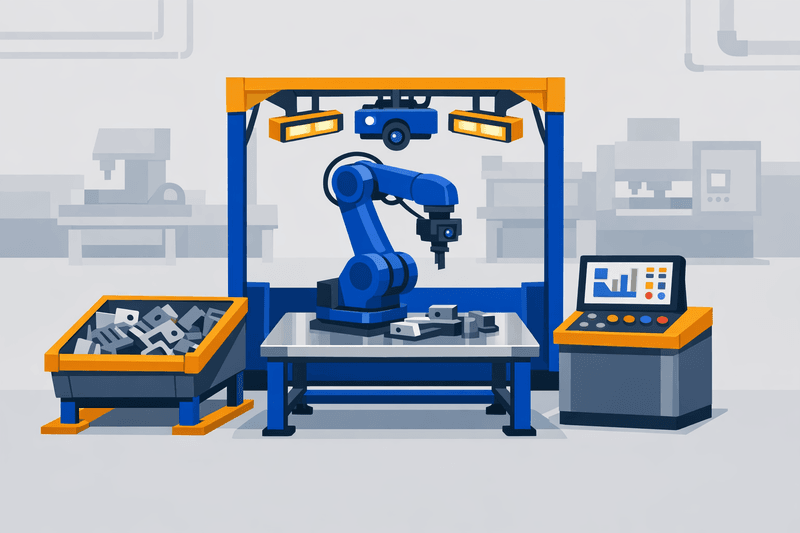
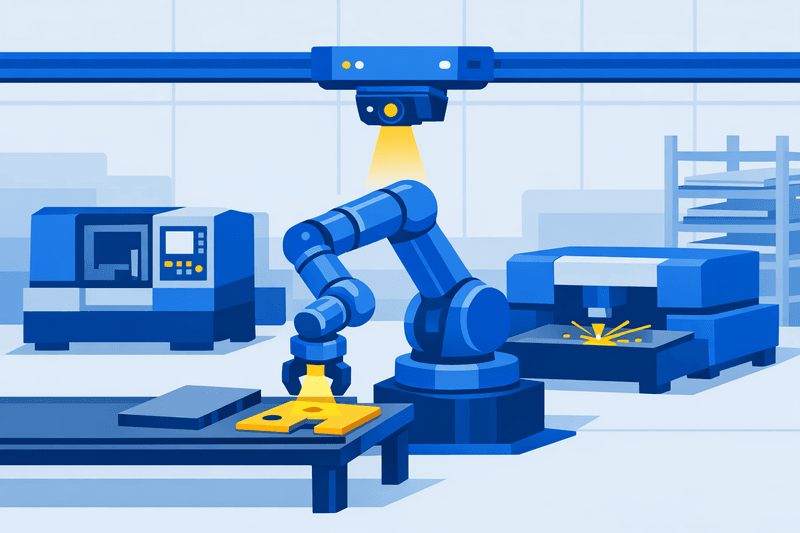
Vision-guided automation enhances flexibility, quality and setup speed in high-mix metal fabrication shops, with AI defect detection and cobots reducing changeover times.